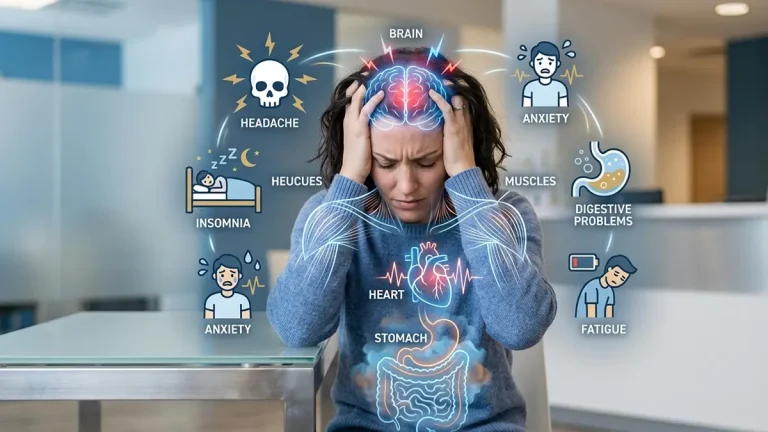



Mental health is just as important as physical health, yet many people in the UK struggle to prioritise it in their daily lives. According to national health surveys, millions of adults experience stress, anxiety, low mood, or feelings of overwhelm at different stages of life. While professional support remains essential for those dealing with severe mental health conditions, there are many natural and practical ways to support emotional wellbeing and improve overall mental health.
Mental wellbeing is not about feeling happy all the time. Life naturally includes challenges, disappointments, and periods of stress. Good mental health means being able to cope with life’s ups and downs, maintain healthy relationships, manage emotions effectively, and enjoy a sense of purpose.
The good news is that small, consistent lifestyle changes can have a significant impact on mental wellbeing. From improving sleep and spending more time outdoors to building stronger social connections, natural approaches can help support a healthier mind and a better quality of life.
This guide explores evidence-based and practical ways to improve mental health naturally, with advice relevant to people living in the UK.
Understand What Affects Mental Health
Mental health is influenced by a combination of factors, including:
- Physical health
- Sleep quality
- Diet and nutrition
- Stress levels
- Financial pressures
- Relationships
- Work-life balance
- Social support
- Genetics
- Life experiences
Many people focus only on emotional symptoms without considering how everyday habits influence their mood. Improving mental wellbeing often starts with looking at the bigger picture and identifying areas of life that may be contributing to stress or emotional difficulties.
Prioritise Quality Sleep
Sleep and mental health are closely connected. Poor sleep can increase feelings of anxiety, irritability, and low mood, while good-quality sleep helps the brain regulate emotions and recover from daily stress.
Many adults in the UK struggle to get the recommended seven to nine hours of sleep each night. Busy schedules, excessive screen use, caffeine consumption, and stress can all affect sleep quality.
To improve sleep naturally:
- Go to bed and wake up at the same time daily.
- Keep the bedroom cool, dark, and quiet.
- Avoid screens for at least one hour before bed.
- Limit caffeine in the afternoon and evening.
- Create a relaxing bedtime routine.
Even small improvements in sleep habits can have a noticeable impact on mental wellbeing within a few weeks.
Spend More Time Outdoors
Nature has a powerful effect on mental health. Spending time outdoors can reduce stress hormones, improve mood, and increase feelings of relaxation.
The UK offers many opportunities to connect with nature, whether through local parks, countryside walks, coastal paths, or community gardens.
Research suggests that even 20 to 30 minutes outdoors can positively affect mental wellbeing. Exposure to natural daylight also supports healthy sleep patterns and helps maintain vitamin D levels.
Simple ways to spend more time outside include:
- Walking during lunch breaks
- Visiting local parks
- Gardening
- Hiking at weekends
- Sitting outside while reading
- Exercising outdoors
Regular contact with nature can provide a welcome break from everyday pressures and improve emotional resilience.
Stay Physically Active
Exercise is one of the most effective natural ways to improve mental health. Physical activity triggers the release of endorphins and other chemicals that help boost mood and reduce stress.
You do not need to become a marathon runner to experience benefits. Moderate activity can make a significant difference.
Examples include:
- Brisk walking
- Cycling
- Swimming
- Yoga
- Dancing
- Home workouts
- Strength training
The NHS recommends that adults aim for at least 150 minutes of moderate-intensity activity each week.
Many people notice improvements in mood after a single exercise session, while long-term activity can help reduce symptoms of anxiety and depression.
Eat a Balanced Diet
What you eat affects both your body and your mind. The brain requires a steady supply of nutrients to function properly.
A balanced diet can support mood, energy levels, concentration, and overall wellbeing.
Focus on:
- Fruits and vegetables
- Whole grains
- Lean proteins
- Oily fish
- Nuts and seeds
- Healthy fats
- Plenty of water
Foods rich in omega-3 fatty acids, such as salmon, mackerel, and sardines, may be particularly beneficial for brain health.
At the same time, try to limit excessive amounts of:
- Ultra-processed foods
- Sugary snacks
- Excess alcohol
- Energy drinks
Healthy eating is not about perfection. Small, sustainable improvements often produce the best long-term results.
Build Strong Social Connections
Humans are naturally social beings. Positive relationships play an important role in mental wellbeing.
Loneliness and social isolation can negatively affect mental health, regardless of age. This has become an increasing concern across many parts of the UK.
Strong social connections can provide:
- Emotional support
- A sense of belonging
- Reduced stress
- Greater resilience
- Improved self-esteem
Ways to strengthen connections include:
- Calling friends regularly
- Joining local community groups
- Volunteering
- Participating in sports clubs
- Attending local events
- Reconnecting with family members
Quality often matters more than quantity. A few meaningful relationships can have a powerful impact on mental wellbeing.
Learn to Manage Stress
Stress is a normal part of life, but chronic stress can affect both mental and physical health.
Many people experience stress due to:
- Work demands
- Financial concerns
- Family responsibilities
- Health issues
- Major life changes
Developing healthy coping strategies can help reduce the impact of stress.
Effective stress-management techniques include:
- Deep breathing exercises
- Mindfulness practices
- Time management
- Regular exercise
- Journalling
- Talking to trusted friends
Managing stress does not mean eliminating all challenges. Instead, it involves developing healthier responses to difficult situations.
Practise Mindfulness
Mindfulness involves paying attention to the present moment without judgement.
Many people spend much of their day worrying about the future or dwelling on the past. Mindfulness encourages awareness of current experiences and can help reduce stress and anxiety.
You can practise mindfulness through:
- Meditation
- Deep breathing
- Mindful walking
- Body scan exercises
- Mindful eating
Even five to ten minutes of mindfulness each day can help improve emotional awareness and mental wellbeing.
Over time, mindfulness can support better stress management and improve overall resilience.
Reduce Excessive Screen Time
Technology offers many benefits, but excessive screen use can negatively affect mental health.
Constant notifications, social media comparisons, and endless news updates can contribute to stress and anxiety.
Signs that screen time may be affecting wellbeing include:
- Difficulty sleeping
- Feeling overwhelmed
- Reduced concentration
- Increased anxiety
- Frequent social comparison
Helpful strategies include:
- Turning off unnecessary notifications
- Taking regular screen breaks
- Creating technology-free periods
- Avoiding social media before bed
- Spending more time on offline activities
Finding a healthier balance can improve mood and reduce mental fatigue.
Limit Alcohol Consumption
Many people use alcohol to relax or cope with stress. However, alcohol can often worsen mental health over time.
While it may initially create feelings of relaxation, alcohol can affect sleep quality, increase anxiety, and contribute to low mood.
Reducing alcohol intake may lead to:
- Better sleep
- Improved energy levels
- Enhanced concentration
- Greater emotional stability
People who drink regularly may notice significant improvements in wellbeing after reducing their alcohol consumption.
Stay Hydrated
Dehydration can affect concentration, energy levels, and mood.
Many adults do not drink enough water throughout the day, especially during busy work schedules.
Simple tips include:
- Carrying a reusable water bottle
- Drinking water with meals
- Setting reminders
- Choosing water over sugary drinks
Maintaining proper hydration supports both physical and mental performance.
Develop a Sense of Purpose
Having a sense of purpose can significantly improve mental wellbeing.
Purpose provides motivation, direction, and meaning in everyday life. It does not necessarily have to come from work.
Sources of purpose may include:
- Family
- Community involvement
- Volunteering
- Creative pursuits
- Learning new skills
- Personal goals
People who feel connected to meaningful activities often report greater life satisfaction and emotional resilience.
Try Creative Activities
Creativity can be a powerful tool for supporting mental health.
Activities such as painting, writing, photography, music, crafting, and cooking provide opportunities for self-expression and relaxation.
Creative hobbies can:
- Reduce stress
- Improve confidence
- Enhance focus
- Promote positive emotions
You do not need artistic talent to benefit. The process itself often matters more than the final result.
Practise Gratitude
Gratitude involves recognising positive aspects of life, even during challenging times.
Research suggests that gratitude practices may help improve mood and increase overall wellbeing.
Simple gratitude exercises include:
- Writing down three positive things each day
- Keeping a gratitude journal
- Thanking people more often
- Reflecting on positive experiences
Over time, gratitude can help shift attention away from negative thought patterns.
Challenge Negative Thinking
Everyone experiences negative thoughts occasionally. However, persistent negative thinking can affect mental wellbeing.
Learning to question unhelpful thoughts can be beneficial.
Ask yourself:
- Is this thought completely true?
- What evidence supports it?
- What evidence challenges it?
- What would I say to a friend in this situation?
Developing a more balanced perspective can improve emotional health and reduce unnecessary stress.
Spend Time with Pets
For many people, pets provide companionship, comfort, and emotional support.
Dogs, cats, and other pets can help reduce loneliness and encourage daily routines.
Benefits may include:
- Reduced stress
- Increased physical activity
- Improved social interaction
- Greater emotional comfort
Pet ownership is not suitable for everyone, but spending time with animals can positively influence mental wellbeing.
Take Regular Breaks
Modern life often encourages constant productivity. However, regular breaks are essential for maintaining mental health.
Short breaks throughout the day can:
- Improve concentration
- Reduce stress
- Increase productivity
- Prevent burnout
Simple breaks may involve:
- Walking outdoors
- Stretching
- Listening to music
- Reading a book
- Practising breathing exercises
Giving your mind time to recover can improve overall wellbeing.
Seek Support When Needed
Natural strategies can support mental wellbeing, but they are not a replacement for professional help when required.
If symptoms persist or begin affecting daily life, it is important to seek support.
Consider speaking to:
- A GP
- Mental health professionals
- Counsellors
- Therapists
- Support groups
Seeking help is a sign of strength, not weakness. Early support often leads to better outcomes.
Create a Sustainable Mental Health Routine
Mental wellbeing is built through consistent daily habits rather than quick fixes.
A realistic routine might include:
- Regular sleep schedule
- Daily movement
- Healthy meals
- Time outdoors
- Social connection
- Stress-management practices
- Relaxation time
The goal is progress, not perfection. Small changes maintained over time often have the greatest impact.
Conclusion
Improving mental health naturally does not require dramatic lifestyle changes. In many cases, the most effective approaches involve simple daily habits that support both the mind and body. Prioritising sleep, staying active, eating a balanced diet, spending time outdoors, building meaningful relationships, and managing stress can all contribute to better mental wellbeing.
Life will always bring challenges, but developing healthy routines and coping strategies can strengthen resilience and improve overall quality of life. Mental health is an ongoing journey, and every positive step—no matter how small—can make a meaningful difference.
By making mental wellbeing a priority and seeking support when necessary, people across the UK can take practical steps towards a healthier, happier, and more balanced life.
Also Read