

Getting a good night’s sleep is one of the most powerful things you can do for your health — yet millions of people struggle to fall asleep, stay asleep, or wake up feeling rested. If you’re staring at the ceiling at 2 a.m., you’re far from alone. The good news? Most sleep problems respond well to simple, proven habits. This guide covers everything you need to know about how to sleep better at night, from understanding why sleep matters to 15 actionable tips backed by science.
How Can You Sleep Better at Night?
Sleeping better at night involves maintaining a consistent sleep schedule, creating a relaxing bedtime routine, limiting caffeine and screen time before bed, and ensuring your bedroom is cool, dark, and quiet. Healthy sleep habits can improve sleep quality and overall well-being.
Why Quality Sleep Matters
Sleep isn’t downtime — it’s when your body and brain do some of their most important work.
Physical health: During sleep, your body repairs tissues, builds muscle, and releases growth hormones. Chronic sleep deprivation is linked to a higher risk of heart disease, obesity, and type 2 diabetes.
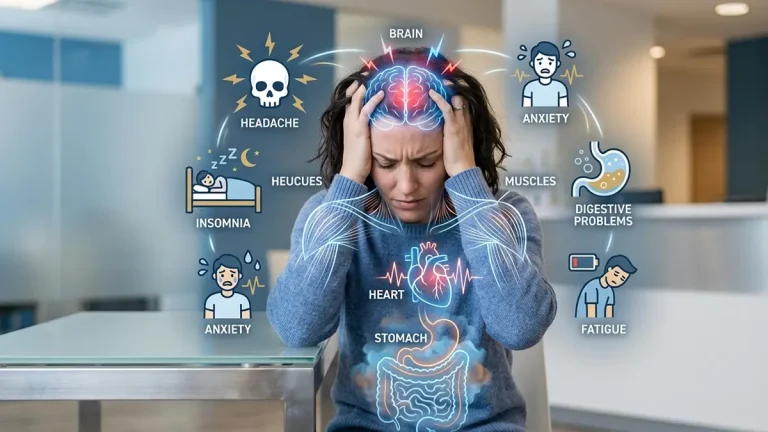
Mental health: Poor sleep and mental health have a two-way relationship. Insufficient sleep worsens anxiety and depression, while stress and anxiety make it harder to fall asleep.
Immune system: Your immune system relies on sleep to produce cytokines — proteins that fight infection and inflammation. Skimping on sleep leaves you more vulnerable to colds and other illnesses.
Energy and concentration: Even a single night of poor sleep impairs memory, decision-making, and reaction time. Over time, chronic sleep loss significantly compounds these effects.
The National Sleep Foundation recommends 7–9 hours of sleep per night for most adults — not as a luxury, but as a biological necessity.
Common Causes of Poor Sleep
Before fixing a problem, it helps to understand its source. Here are the most frequent culprits behind poor sleep.
Stress and Anxiety
Racing thoughts and a heightened nervous system are among the most common sleep disruptors. When your brain perceives stress, it releases cortisol — a hormone that promotes alertness, the opposite of what you need at bedtime.
Excessive Screen Time
Phones, tablets, and televisions emit blue light that suppresses melatonin, the hormone your brain produces to signal that it’s time to sleep. Scrolling through social media also keeps your mind stimulated at exactly the wrong moment.
Caffeine and Alcohol
Caffeine has a half-life of about 5–6 hours, meaning that afternoon coffee can still be affecting your nervous system well into the night. Alcohol, while it may feel sedating at first, fragments sleep in the second half of the night and reduces restorative REM sleep.
Irregular Sleep Schedule
Your body runs on a circadian rhythm — an internal 24-hour clock. Inconsistent bed and wake times confuse this clock, making it harder to fall asleep and wake up naturally.
Medical Conditions
Sleep apnoea, restless legs syndrome, chronic pain, acid reflux, and certain medications can all interfere with sleep. If lifestyle changes don’t help, it’s worth exploring whether an underlying condition is involved (more on this below).
15 Tips to Sleep Better at Night
1. Stick to a Consistent Sleep Schedule
Go to bed and wake up at the same time every day — yes, even on weekends. This reinforces your circadian rhythm and makes falling asleep and waking up much easier over time. Even shifting your schedule by an hour or two on weekends (social jet lag) can disrupt your sleep cycle for days.
2. Create a Relaxing Bedtime Routine
Signal to your brain that sleep is coming by doing the same calming activities in the 30–60 minutes before bed. This might include reading a physical book, taking a warm bath, gentle stretching, or light journaling. Consistency is key — the routine itself becomes a sleep cue.
3. Limit Screen Exposure Before Bed
Put away phones, tablets, and laptops at least 30–60 minutes before sleep. If that’s unrealistic, use a blue-light filter (Night Shift on iPhone or Night Mode on Android) and reduce screen brightness. Better yet, replace screen time with something entirely offline.
4. Avoid Heavy Meals Late at Night
Eating a large meal close to bedtime forces your digestive system to work when it should be winding down. Aim to finish eating at least 2–3 hours before bed. If you need a snack, choose something light — a small handful of nuts, a banana, or a cup of herbal tea.
5. Reduce Caffeine Intake
Avoid caffeine after 2–3 p.m., or earlier if you’re sensitive to it. Remember that caffeine hides in more places than just coffee: tea, cola, energy drinks, dark chocolate, and some medications all contain it.
6. Exercise Regularly
Regular physical activity is one of the most effective natural sleep aids. Exercise reduces stress hormones, raises body temperature (which then drops, triggering sleepiness), and deepens sleep stages. Aim for at least 150 minutes of moderate exercise per week – but try to finish vigorous workouts at least 2–3 hours before bed, as they can temporarily increase alertness.
7. Keep Your Bedroom Cool and Dark
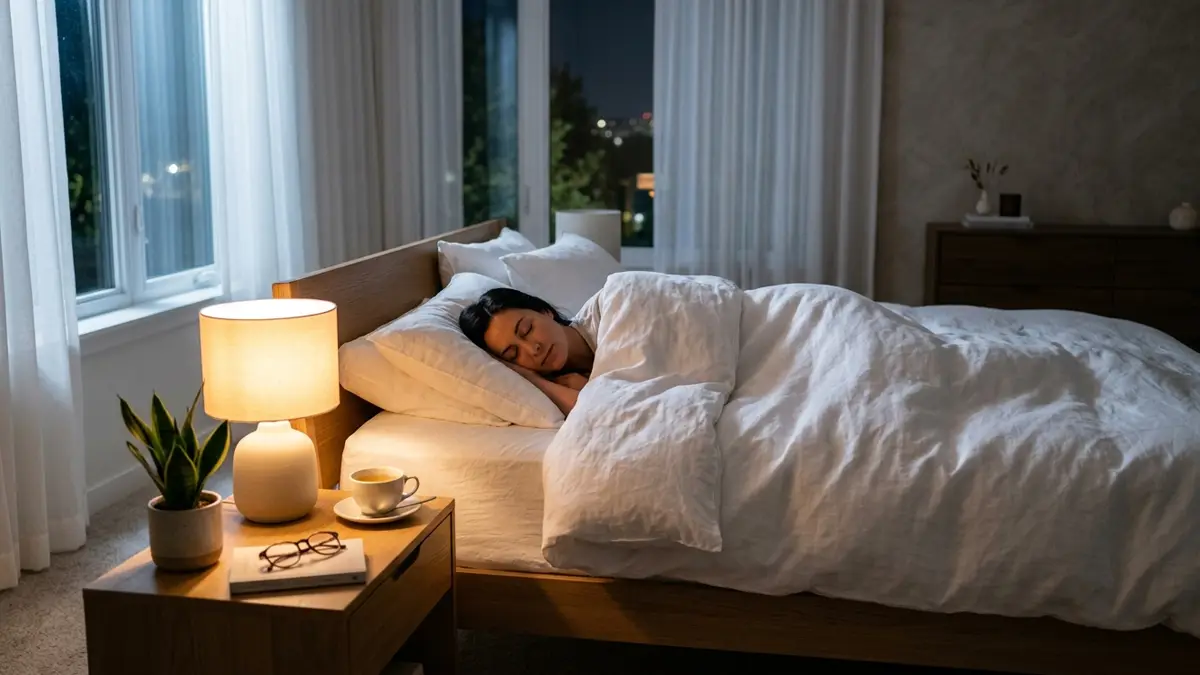
Your core body temperature naturally drops as you fall asleep. A cool room (around 65–68°F / 18–20°C) supports this process. Use blackout curtains or an eye mask to block light and earplugs or a fan to mask noise.
8. Use Comfortable Bedding
Your mattress and pillow have a real impact on sleep quality. A mattress that’s too soft, too firm, or past its prime can cause discomfort and restlessness throughout the night. Choose breathable, natural fabrics for sheets and pillowcases — they help regulate temperature better than synthetics.
9. Manage Stress Levels
Addressing daytime stress pays dividends at bedtime. Strategies include regular exercise, time in nature, setting clear work boundaries, talking to a friend or therapist, and practising mindfulness. Even 10 minutes of meditation during the day can reduce the cortisol load you carry into the evening.
10. Try Relaxation Techniques
If your mind won’t quiet down at bedtime, try:
- Progressive muscle relaxation: Tense and release muscle groups from your toes upward.
- 4-7-8 breathing: Inhale for 4 seconds, hold for 7, exhale for 8.
- Body scan meditation: Mentally scan from head to toe, releasing tension as you go.
- Guided sleep meditations: Apps like Calm or Insight Timer offer free options.
11. Limit Daytime Naps
Napping too long or too late in the day can make it harder to fall asleep at night. If you need to nap, keep it to 20–30 minutes and take it before 3 p.m. Short naps refresh without entering deep sleep, so you won’t wake up groggy.
12. Get Morning Sunlight
Bright light in the morning helps anchor your circadian rhythm by suppressing melatonin and boosting cortisol at the right time — morning, not night. Try to get 10–30 minutes of outdoor light within an hour of waking up. This single habit makes it noticeably easier to fall asleep at a consistent time.
13. Avoid Looking at the Clock
Clock-watching at night fuels anxiety and keeps your brain alert. Turn your clock away from view, or move it across the room. If you use your phone as an alarm, place it face-down. The less information your brain has to work with at 3 a.m., the better.
14. Use White Noise if Needed
Background noise — whether from a fan, a white noise machine, or an app — can mask disruptive sounds like traffic, snoring, or neighbours. Some people also find brown noise or nature sounds (rain or ocean waves) helpful. Experiment to find what works for you.
15. Seek Medical Advice for Persistent Sleep Problems
If you’ve consistently tried these strategies for 4–6 weeks and still struggle to sleep, speak with a doctor. You may benefit from cognitive behavioural therapy for insomnia (CBT-I), which is considered the gold-standard treatment, or evaluation for an underlying condition.
Foods and Drinks That May Promote Better Sleep
What you eat in the hours before bed can influence how well you sleep. These foods have evidence suggesting they may support better rest:
| Food | Potential Benefit |
| Almonds | Rich in magnesium, which plays a role in regulating the sleep hormone melatonin and relaxing muscles |
| Kiwi | Studies suggest eating kiwi before bed may improve sleep onset and duration, possibly due to antioxidants and serotonin content |
| Chamomile Tea | Contains apigenin, an antioxidant that binds to receptors in the brain that promote relaxation and reduce anxiety |
| Bananas | Provide potassium and magnesium, which help relax muscles, and also contain tryptophan, a precursor to serotonin and melatonin |
| Warm Milk | The warmth is relaxing, and milk contains tryptophan; the psychological association with comfort may also play a role |
A word of caution: no food is a sleep cure-all. These are modest, supporting additions to a broader healthy sleep routine — not replacements for the habits covered above.
Habits That Can Ruin Your Sleep
Even well-intentioned people sabotage their sleep without realising it. Watch out for these common patterns:
- Late-night scrolling: Social media is engineered to keep you engaged. The combination of blue light, stimulating content, and the endless scroll is deeply disruptive to sleep.
- Excess caffeine: Even if caffeine doesn’t feel like it’s keeping you awake, it may be reducing your deep sleep without you knowing.
- Smoking: Nicotine is a stimulant. Smokers often take longer to fall asleep and experience lighter, more disrupted sleep.
- Alcohol before bed: A nightcap may help you fall asleep faster but significantly worsens sleep quality in the second half of the night, suppressing REM sleep and causing early waking.
- Sleeping in on weekends: Compensating for a sleep debt by sleeping in disrupts your circadian rhythm and makes Monday mornings harder. A better approach is to go to bed earlier rather than sleeping in later.
When to See a Doctor
Lifestyle changes work well for most people, but some sleep problems have a medical component that needs professional attention. Consider seeing a doctor if you experience:
- Chronic insomnia: Difficulty falling or staying asleep at least three nights a week for three months or longer, despite good sleep habits.
- Sleep apnoea symptoms: Loud snoring, gasping or choking during sleep, or waking unrefreshed no matter how many hours you sleep.
- Excessive daytime fatigue: Feeling uncontrollably sleepy during the day, even after a full night’s sleep.
- Restless legs syndrome: An uncomfortable urge to move your legs at night that disrupts your ability to fall asleep.
Medical disclaimer: This article is for informational purposes only and is not a substitute for professional medical advice, diagnosis, or treatment. If you have concerns about your sleep or health, please consult a qualified healthcare provider.
Key Takeaways
- Maintain a consistent sleep and wake time every day, including weekends.
- Limit screens and bright light in the hour before bed.
- Keep your bedroom cool, dark, and quiet — your environment matters.
- Exercise regularly, but wind down in the hours before bedtime.
- Manage stress during the day so it doesn’t follow you to bed.
- Seek professional help if sleep problems persist beyond 4–6 weeks of trying these strategies.
Also Read:
Best Diet Plan for Healthy Weight Loss
Frequently Asked Questions
How many hours of sleep do adults need?
Most adults need 7–9 hours per night, according to the National Sleep Foundation. Teenagers need 8–10 hours, and older adults often do well with 7–8. Individual needs vary slightly, but consistently sleeping less than 6 hours is associated with significant health risks.
Why can’t I fall asleep even when I’m tired?
This is called conditioned arousal — your brain has learned to associate the bed with wakefulness rather than sleep, often from lying in bed scrolling, working, or watching TV. Stress and anxiety also activate the nervous system even when the body is tired. Sticking to a strict sleep schedule and reserving the bed only for sleep can help reverse this over time.
Is it bad to use my phone before bed?
Yes, for two main reasons: the blue light suppresses melatonin, and the content (social media, news, messages) keeps your brain alert. Ideally, put your phone down 30–60 minutes before sleep. If you use it as an alarm, switch it to aeroplane mode or use a dedicated alarm clock instead.
What foods help you sleep better?
Foods containing tryptophan, magnesium, or melatonin-supporting compounds may help. Good options include almonds, bananas, kiwi, warm milk, and chamomile tea. Avoid heavy, spicy, or high-sugar foods close to bedtime.
Can exercise improve sleep quality?
Absolutely. Regular aerobic exercise is one of the best-supported interventions for improving sleep quality. It reduces the time it takes to fall asleep, increases deep sleep, and reduces symptoms of insomnia and sleep apnoea. Even a daily 30-minute walk makes a difference.
How long should a nap be?
A 20-minute power nap is ideal for most people — long enough to feel refreshed, short enough to avoid deep sleep (which causes grogginess on waking). If you need a longer recovery nap, aim for 90 minutes to complete a full sleep cycle. Avoid napping after 3 p.m.
Does stress affect sleep?
Significantly. Stress activates the hypothalamic-pituitary-adrenal (HPA) axis, releasing cortisol and adrenaline — hormones that promote wakefulness. High stress delays sleep onset, reduces sleep duration, and decreases deep, restorative sleep. Managing stress during the day is one of the most impactful things you can do for your nights.
When should I see a doctor about sleep problems?
If you’ve consistently struggled with sleep for more than a month despite making lifestyle changes, it’s worth speaking to a doctor. Definitely see a professional if you snore loudly, stop breathing during sleep, experience uncontrollable daytime sleepiness, or have uncomfortable sensations in your legs at night.