
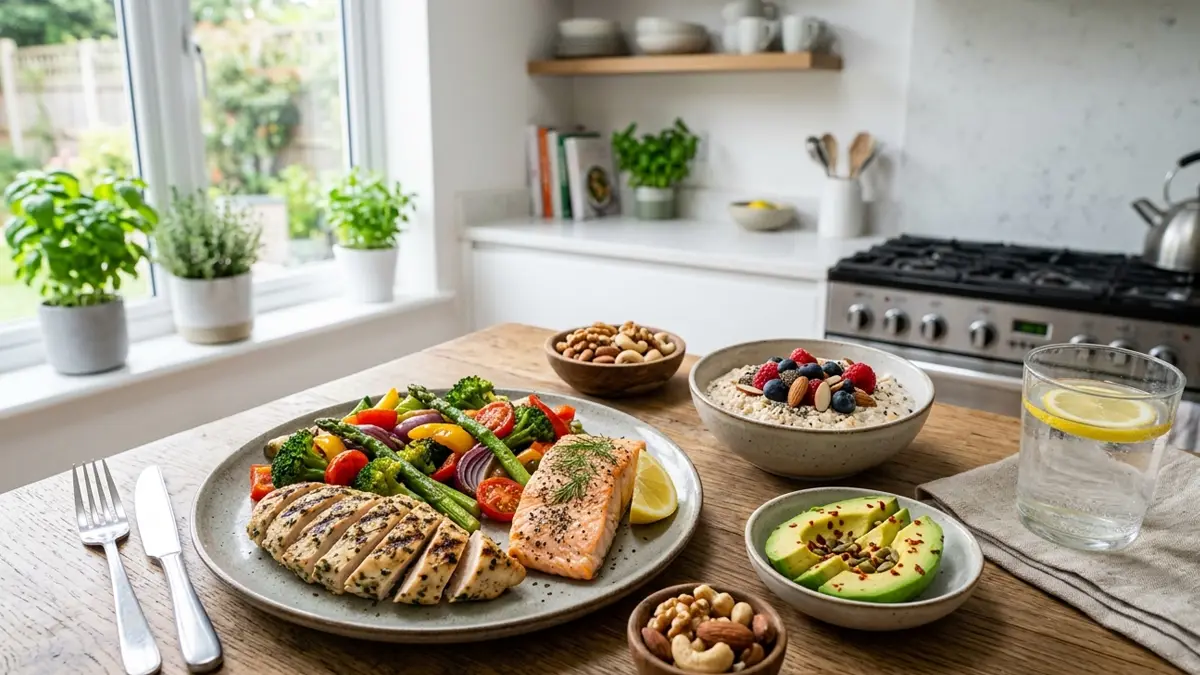


A Simple Guide That Actually Works
If you’ve ever tried to lose weight, you’ve probably come across countless diets promising fast results. From cutting out entire food groups to surviving on meal replacement shakes, the options can feel overwhelming.
The good news? Healthy weight loss doesn’t have to be complicated.
The best diet plan for weight loss isn’t about starving yourself or following strict rules. It’s about creating healthier eating habits that you can stick to in the long term. When you focus on nourishing your body with the right foods while maintaining a calorie deficit, weight loss becomes more sustainable and far less stressful.
In this guide, we’ll explore what a healthy weight-loss diet looks like, the foods that can help you reach your goals, and practical tips to make the journey easier.
What Is the Best Diet Plan for Healthy Weight Loss?
There isn’t a single diet that works for everyone. Some people enjoy a Mediterranean-style diet, while others prefer a higher-protein approach. What matters most is finding a way of eating that helps you consume fewer calories than you burn without feeling deprived.
A good weight loss diet should:
- Keep you feeling full and satisfied
- Provide essential nutrients
- Support your energy levels
- Fit your lifestyle and preferences
- Be sustainable for months and years, not just weeks
According to the NHS, healthy weight loss is best achieved through a balanced diet and regular physical activity rather than extreme dieting. You can find additional guidance on the NHS website: https://www.nhs.uk/live-well/healthy-weight/
Why Most Diets Fail
Many diets fail because they’re too restrictive. When you completely cut out foods you enjoy or drastically reduce your calorie intake, it’s often only a matter of time before cravings take over. This can lead to overeating, frustration, and eventually giving up altogether.
Instead of looking for a quick fix, focus on building habits that you can realistically maintain.
Remember: losing weight slowly and steadily is usually far more effective than trying to lose it as quickly as possible.
The Key Principles of Healthy Weight Loss
1. Eat More Protein
Protein is one of the most valuable nutrients when trying to lose weight. It helps you feel fuller for longer, supports muscle maintenance, and may even help reduce cravings throughout the day.
Good protein sources include:
- Chicken breast
- Turkey
- Fish
- Eggs
- Greek yoghurt
- Cottage cheese
- Lentils
- Beans
- Tofu
Try including a source of protein with every meal.
2. Fill Up on Vegetables
Vegetables are naturally low in calories and packed with nutrients.
They add volume to your meals without significantly increasing calorie intake, helping you feel satisfied while supporting overall health.
Some excellent choices include:
- Broccoli
- Spinach
- Carrots
- Peppers
- Kale
- Cauliflower
- Courgettes
A simple tip is to fill at least half your plate with vegetables at lunch and dinner.
3. Choose High-Fibre Foods
Fibre slows digestion and helps keep hunger under control.
Foods rich in fibre include:
- Oats
- Wholemeal bread
- Brown rice
- Quinoa
- Fruits
- Vegetables
- Beans and lentils
Many people don’t realise how much fibre can improve appetite control and support weight loss efforts.
4. Don’t Be Afraid of Healthy Fats
For years, people believed eating fat caused weight gain. In reality, healthy fats are an important part of a balanced diet.
Healthy fat sources include:
- Avocados
- Olive oil
- Nuts
- Seeds
- Oily fish
The key is moderation, as fats are calorie-dense.
A Practical Healthy Weight Loss Meal Plan
The best meal plan is one that’s realistic and enjoyable. Here’s an example of what a balanced day of eating might look like.
Breakfast
Start your morning with a meal that combines protein and fibre.
Ideas include:
- Porridge topped with berries and chia seeds
- Greek yoghurt with fruit
- Scrambled eggs on wholegrain toast
- A protein smoothie with spinach and banana
Mid-Morning Snack
If you’re hungry between meals, choose something nutritious.
Options include:
- An apple with peanut butter
- A boiled egg
- A handful of almonds
- Low-fat yoghurt
Lunch
Aim for a balance of protein, vegetables, and complex carbohydrates.
Examples:
- Grilled chicken salad
- Tuna wholemeal wrap
- Lentil soup with wholegrain bread
- Quinoa bowl with chickpeas and vegetables
Afternoon Snack
A healthy snack can help prevent overeating at dinner.
Good choices include:
- Carrot sticks with hummus
- Cottage cheese
- Fresh fruit
- Mixed nuts
Dinner
Keep dinner simple and balanced.
Ideas include:
- Baked salmon with vegetables
- Chicken stir-fry with brown rice
- Turkey chilli
- Tofu curry with mixed vegetables
Evening Snack
If you genuinely feel hungry later in the evening, choose something light.
For example:
- Greek yoghurt
- Berries
- Protein pudding
Foods That Support Healthy Weight Loss
Rather than focusing on foods to avoid, it can be more helpful to focus on foods to eat more often.
Lean Proteins
- Chicken
- Turkey
- Fish
- Eggs
- Tofu
- Beans
Fruits
- Apples
- Berries
- Oranges
- Pears
- Grapefruit
Vegetables
- Broccoli
- Spinach
- Kale
- Carrots
- Peppers
Whole Grains
- Oats
- Brown rice
- Wholemeal bread
- Wholegrain pasta
- Quinoa
Healthy Fats
- Olive oil
- Avocados
- Nuts
- Seeds
These foods are nutrient-dense, satisfying, and can make weight loss easier.
Foods to Limit
You don’t need to ban any food completely.
However, reducing certain foods can help create the calorie deficit needed for weight loss.
Try limiting:
- Sugary drinks
- Highly processed snacks
- Fast food
- Excessive alcohol
- Cakes, biscuits, and sweets
Enjoying these occasionally is perfectly fine. The goal is balance, not perfection.
Lifestyle Habits That Make Weight Loss Easier
Weight loss isn’t just about food. Your daily habits also play a huge role.
Stay Active
Regular movement helps increase calorie expenditure and supports overall health. Aim for at least 150 minutes of moderate activity each week.
Activities could include:
- Walking
- Cycling
- Swimming
- Strength training
- Home workouts
You may also find our article on Best Exercises for Weight Loss helpful.
Prioritise Sleep
Lack of sleep can increase hunger and make it harder to make healthy food choices. Most adults should aim for 7–9 hours of sleep per night
Manage Stress
Stress can lead to emotional eating and increased cravings.
Helpful strategies include:
- Meditation
- Deep breathing
- Walking outdoors
- Yoga
- Journaling
Drink More Water
Sometimes thirst is mistaken for hunger. Staying hydrated can help control appetite and support overall wellbeing. Aim for around 6–8 glasses of water each day.
Common Weight Loss Mistakes
Many people unknowingly make their weight loss journey harder. Some of the most common mistakes include:
Skipping meals: Skipping meals often leads to intense hunger later in the day.
Following fad diets: Quick-fix diets rarely provide long-term success.
Eating Too Little: Drastically cutting calories can leave you tired, hungry, and more likely to overeat.
Ignoring Portion Sizes: Even healthy foods contain calories, so portion awareness still matters.
Expecting Instant Results: Healthy weight loss takes time.
Consistency beats perfection every time.
How Fast Should You Lose Weight?
A realistic and healthy rate of weight loss is around:
0.5–1 kg (1–2 pounds) per week
While faster results may seem appealing, gradual weight loss is more sustainable and often easier to maintain in the long run. Think of weight loss as a lifestyle change rather than a temporary project.
Conclusion
The best diet plan for healthy weight loss isn’t the strictest or most fashionable one. It’s the approach you can maintain consistently while still enjoying your life.
Focus on eating more protein, filling your plate with vegetables, choosing whole foods whenever possible, and creating healthy habits that fit your routine.
Small changes made consistently often lead to the biggest results over time.
Instead of chasing perfection, aim for progress. Every healthy meal, every walk, and every positive choice moves you closer to your goal.
Frequently Asked Questions
What is the healthiest diet for weight loss?
A balanced diet rich in protein, vegetables, fruits, whole grains, and healthy fats is generally considered the healthiest approach.
How many calories should I eat to lose weight?
2. How many calories should I eat to lose weight?
Can I lose weight without exercising?
Yes, but combining a healthy diet with physical activity often leads to better results and improved overall health.
Is protein important for weight loss?
Yes, but combining a healthy diet with physical activity often leads to better results and improved overall health.
Are carbohydrates bad for weight loss?
Not at all. Whole-food carbohydrates like oats, fruit, and brown rice can be part of a healthy weight loss plan.
What should I eat for breakfast when trying to lose weight?
Protein-rich options such as eggs, Greek yoghurt, or porridge with fruit are excellent choices.
How much water should I drink daily?
Most adults should aim for around 6–8 glasses of fluid per day.
Can I still eat snacks and lose weight?
Yes. Healthy snacks can help manage hunger and prevent overeating.
Is intermittent fasting better than calorie counting?
Neither is automatically better. The best approach is the one you can follow consistently.
How can I avoid feeling hungry while dieting?
Focus on protein, fibre-rich foods, vegetables, and staying hydrated.
What’s the biggest weight loss mistake?
Following extreme diets that are difficult to maintain long-term.
How long does healthy weight loss take?
Healthy weight loss is gradual. Most people lose around 0.5–1 kg per week.
Can I eat treats while trying to lose weight?
Yes. Occasional treats can fit into a balanced diet when enjoyed in moderation.
Why has my weight loss slowed down?
Weight loss plateaus are common and may occur as your body adapts to changes in calorie intake and activity levels.
What is the most sustainable way to lose weight?
Building healthy eating habits, staying active, getting enough sleep, and maintaining consistency over time.
1. What is the healthiest diet for weight loss?
A balanced diet rich in protein, vegetables, fruits, whole grains, and healthy fats is generally considered the healthiest approach.
2. How many calories should I eat to lose weight?
This varies depending on your age, gender, activity level, and current weight. A moderate calorie deficit is usually recommended.
3. Can I lose weight without exercising?
Yes, but combining a healthy diet with physical activity often leads to better results and improved overall health.
4. Is protein important for weight loss?
Yes. Protein helps keep you full and supports muscle maintenance during weight loss.
5. Are carbohydrates bad for weight loss?
Not at all. Whole-food carbohydrates like oats, fruit, and brown rice can be part of a healthy weight loss plan.
6. What should I eat for breakfast when trying to lose weight?
Protein-rich options such as eggs, Greek yoghurt, or porridge with fruit are excellent choices.
7. How much water should I drink daily?
Most adults should aim for around 6–8 glasses of fluid per day.
8. Can I still eat snacks and lose weight?
Yes. Healthy snacks can help manage hunger and prevent overeating.
9. Is intermittent fasting better than calorie counting?
Neither is automatically better. The best approach is the one you can follow consistently.
10. How can I avoid feeling hungry while dieting?
Focus on protein, fibre-rich foods, vegetables, and staying hydrated.
11. What’s the biggest weight loss mistake?
Following extreme diets that are difficult to maintain long-term.
12. How long does healthy weight loss take?
Healthy weight loss is gradual. Most people lose around 0.5–1kg per week.
13. Can I eat treats while trying to lose weight?
Yes. Occasional treats can fit into a balanced diet when enjoyed in moderation.
14. Why has my weight loss slowed down?
Weight loss plateaus are common and may occur as your body adapts to changes in calorie intake and activity levels.
15. What is the most sustainable way to lose weight?
Building healthy eating habits, staying active, getting enough sleep, and maintaining consistency over time.