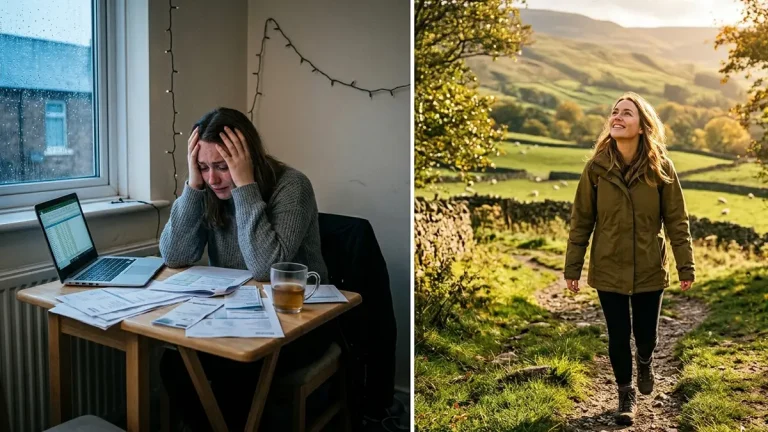
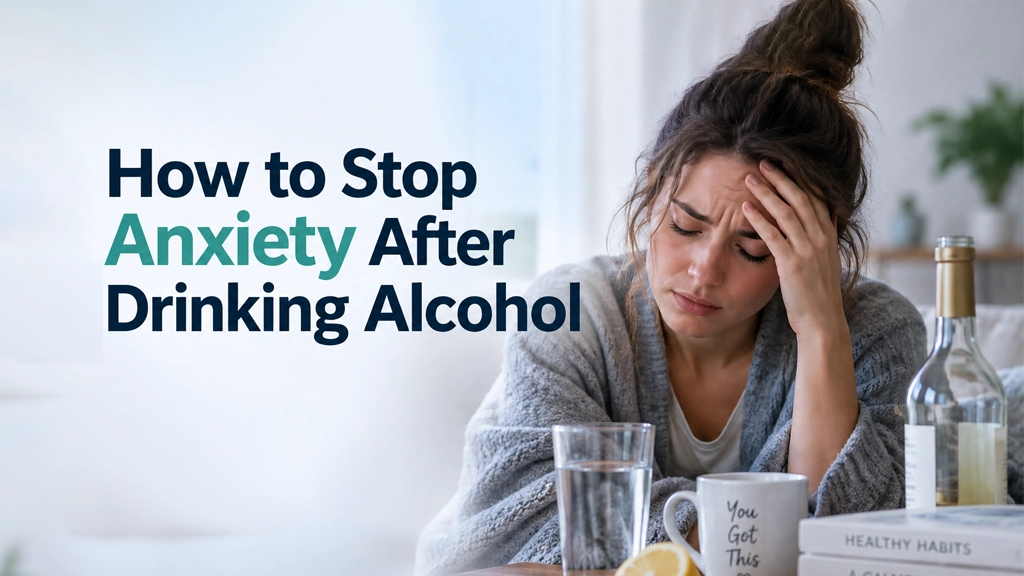
Ever heard of or experienced “hangxiety”? You probably went through it many times but haven’t heard of the term or its meaning. Hangxiety is a common condition that arises after drinking and influences your brain chemicals.
In clinical terms, hangxiety is the state of anxiety and depression caused by alcohol intake, characterized by symptoms such as confusion, irritability, paranoia, and melancholy. When recovering from alcohol, it becomes difficult for the body to balance itself, and there are many stress reactions and disturbances in people’s sleep patterns and mental capabilities.
All of these explain why hangxiety is experienced by people much longer than regular hangovers. Also, hangxiety may last for even longer periods of time, including the next day after the drinking session. It is important to know that the condition varies from person to person depending on his/her genetics and alcohol intake behavior.
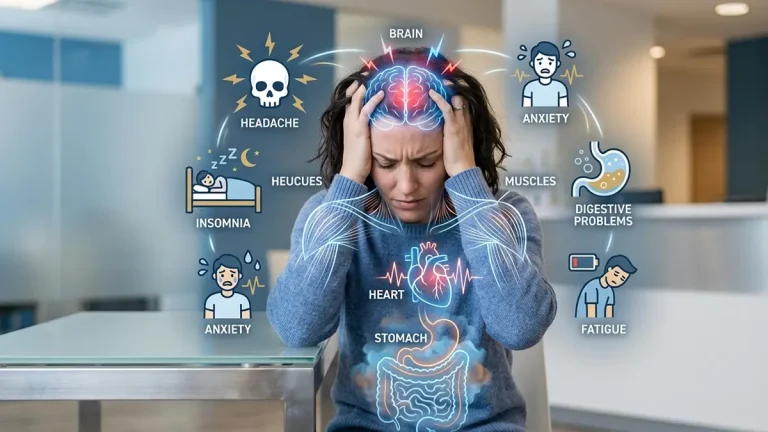
Clinical symptoms of hanxiety are:
- Brain fog
- 55% experienced anxiety, 40% were emotionally exhausted
- Paranoia and irritability
- 52% started overthinking
- 25% felt sadness
Hangxiety can last 24 hours or more, which depends on physical factors, genetics, and the amount and speed of alcohol consumed, etc. Already wondering “How to stop anxiety after drinking alcohol?”
How does drinking affect your “brain chemistry”?
To understand “how to stop anxiety after drinking alcohol,” one should understand what happens to the brain after drinking alcohol. Alcohol makes you relaxed, calm, and talkative. But how? It reacts with GABA (gamma–aminobutyric acid) receptors and releases dopamine.
Alcohol also reacts with your brain chemistry and disturbs your brain’s communication pathways. It disrupts neurotransmitter balance, synaptic signalling, and alters stress circuits. This leads to cognitive dysfunction and dependence.
Doctors say that alcohol is neurotoxic and can have many damaging effects on your brain both in the long and short term. Just one drink can make you feel less coordinated and blurry.
Heavy drinking can damage your gray and white brain matter and shrink your brain. Doctors have restricted consumption to one drink for females and two drinks for males in one day.
Glutamatergic suppression
To reduce GABA, the brain releases Glutamate, an excitatory neurotransmitter, causing a chemical disruption that results in anxiety. Alcohol acts as an inhibitor of the NMDA receptors, reducing the excitatory neurotransmission process. The effect reduces the capacity for neuroplasticity and memory consolidation, especially in the hippocampus region.
Dopaminergic activation
Acute consumption of alcohol results in dopamine release in the mesolimbic pathway (nucleus accumbens). However, chronic consumption of alcohol causes downregulation of dopaminergic activity, resulting in anhedonia and compulsive behavior.
Disruption of the stress system
Chronic alcohol exposure promotes the activation of CRF pathways, thereby increasing stress sensitivity, leading to negative reinforcement.
Clinical Manifestations
Acute intoxication:
Judgment impairment, motor impairment, impaired speech, and blackouts related to malfunction of the hippocampus.
Withdrawal symptoms:
Excessive neural activity, anxiety, tremors, and seizures because of increased glutamatergic activity and decreased GABAergic tone.
Chronic effects:
Structural alterations like neuronal atrophy and loss of white matter, together with impaired cognitive functions related to attention, executive function, and memory.
How much alcohol is safe to drink?
Many wonder, ‘How to stop anxiety after drinking alcohol? The answer is in restricting your consumption. Alcohol tolerance varies in every individual, and a healthy liver and metabolic process can process small amounts. Therefore, there is no safe amount or ‘threshold’ of alcohol consumption, as many doctors say.
While doctors state that even small amounts of alcohol are risky, all medical recommendations speak about “low-risk” consumption:
1 glass daily for females and 2 glasses daily for males, with upper limits being 7 glasses per week for women and 14 glasses for men.
Total abstinence from alcohol use is considered the best way to go for anxiety after drinking alcohol, particularly for individuals who have some medical disorders, are pregnant, or have a familial history of alcohol misuse.
Standard Medical Recommendations
Standard drink definition:
12 oz (360 mL) beer
5 oz (150 mL) wine
1.5 oz (45 mL) spirits
Maximum for men: ≤ 2 glasses/day, ≤ 14 glasses/week.
Maximum for women: ≤ 1 glass/day, ≤ 7 glasses/week.
For pregnant women: no safe level — total avoidance is recommended.
People with certain medical conditions need to abstain from drinking.
Are there dangers associated even with little to moderate consumption of alcohol?
Even a tiny amount of alcohol can be harmful. From scientific studies, we know that each drop changes our brain chemistry and increases the risk of future illnesses. Light alcohol use leads to increased risk of cancer, damages memory, and raises blood pressure.
How to stop anxiety after drinking alcohol? The notion of “safe drinking” is a misconception – specialists are focusing on complete abstinence now.
While moderation might make some difference when compared with alcohol abuse, it does not cancel the risk. Drinking one glass per day could tip the scale towards premature aging, addiction, and strain on internal organs. The shocking realization of the truth is that alcohol is a poison, no matter how normalized it is by society.
How does alcohol cause anxiety?
To know “how to stop anxiety after drinking alcohol,” you must understand how and why alcohol causes anxiety in detail.
Even though initial drinking stages can make you feel relaxed and stress-free, it can cause anxiety as the alcohol level in your blood rises or fluctuates. It begins by increasing your dopamine and energy levels, giving your mood a boost and acting like an antidepressant. It can increase codependency and affect brain activity, making you susceptible to anxiety disorders.
On the other hand, it increases serotonin and can make you feel more and more anxious as the alcohol levels wear off. Trying to cope with social anxiety with alcohol leads to alcohol dependency in many people. It causes memory loss and makes it difficult to get over traumatic events from alcohol abuse. Even alcohol withdrawal can lead to increased anxiety.
Do you want to know how to stop anxiety after drinking alcohol? Remember, alcohol cannot replace antidepressants. It is important to ask your doctor if drinking alcohol is safe for you.
How can I reduce anxiety?
Try talking about your feelings to a friend or a professional. Pent-up feelings like anxiety can be treated wonderfully when released in supportive conditions. Other simple ways to relieve anxiety are:
- More physical activity
- Minimize screen time
- Eat whole foods
- Practice deep breathing
- Practice self-care and mind- relaxing activities like taking a walk
- Practice mindfulness in nature
How to stop anxiety after drinking alcohol: What doctors recommend
Psychotherapy
The doctor usually prescribes cognitive behavioral therapy (CBT) in the case of anxiety disorders. The essence of this method includes thought restructuring and exposure to anxiety triggers.
Pharmacotherapy
This therapy is often used in cases where psychotherapy is ineffective. Pharmacological agents are used to address the problem of excessive neurotransmitters.
- Selective Serotonin Reuptake Inhibitors/serotonin-norepinephrine reuptake inhibitors are prescribed for generalized anxiety disorders.
- Buspirone can be effective in the treatment of chronic anxiety but has a slower onset compared to SSRIs.
- Benzodiazepines are used only for acute anxiety because of the addiction potential.
- Beta-blockers are prescribed in cases of somatic anxiety symptoms like palpitations or tremor.
- The best supplements for hangxiety include magnesium glycinate, L-theanine, and B-complex vitamins, which help restore depleted nutrients and calm an overactive nervous system.
How to stop anxiety after drinking alcohol: Lifestyle modifications
- Physical exercise: Regular physical activities lower the level of cortisol and promote endorphin production.
- Sleep schedule: A structured sleep routine minimizes hyperarousal.
- Proper diet: Proper nutrition stabilizes levels of neurotransmitters.
- Stimulant avoidance: Reducing caffeine, nicotine, and alcohol consumption prevents exacerbations.
- Relaxation methods: Mindfulness practice and deep breathing reduce sympathetic nervous system activity.
- Social network: Contact with family and friends prevents loneliness.
Inadequate medication use, possible dependency, and the patient’s inconsistency pose problems. Note that the physician always stresses the need for an individualised treatment plan.
How to deal with “hangxiety”
A lack of restorative sleep and an increase in cortisol caused by alcohol cause hangxiety, which is a major stress hormone.
Hangxiety arises as a consequence of alcohol’s rebound effect on neurotransmitters. Alcohol increases GABA neurotransmission at first, but after the metabolization process, glutamate levels increase, causing agitation, anxiousness, and physical sensations. A lack of restorative sleep and an increase in cortisol caused by alcohol cause hangxiety, which is a major stress hormone.
How to stop anxiety after drinking alcohol? There is evidence that hydration, sleep, and supportive techniques can alleviate the symptoms in 12-24 hours.
Grounding technique
- Apply the 5-4-3-2-1 strategy (see five things, touch four, hear three, smell two, taste one).
- Listen to your surroundings– this is a mindfulness technique of connecting yourself to your environment.
- Play a memory game by remembering all the objects you saw on your way home.
- Think or visualize someone you love or some of your favourite places.
- Listen to music or plan an activity like a picnic or attending a concert.
Hydration
As alcohol acts as a diuretic, rehydration with water or electrolyte drinks helps maintain balance and decreases the risk of a headache and anxiety.
Limit Caffeine consumption
Although it may seem like the right choice, caffeine increases your heartbeat, causing more jitteriness and anxiety. Herbal teas are recommended instead for ‘how to stop anxiety after drinking alcohol?’
Self-compassion
Replace guilt with kind thoughts, reminding yourself that hangxiety is a physiological reaction to what you consume, not a moral deficiency. This will decrease the feeling of shame and will help speed up the recovery process.
Gentle activity
Gentle activity is an answer to ‘how to stop anxiety after drinking alcohol.’
Taking a walk or doing some stretching will boost circulation, stabilize your mood, and promote the release of endorphins. Physical activity improves metabolism and the effects of alcohol-related hangxiety.
Eat and Sleep
Neurotransmitter systems need time to regulate themselves. In addition, sleeping decreases the level of cortisol and increases clarity. Eat well during breakfast and dinner, which stabilizes blood sugar and helps you absorb alcohol. Eat gut-friendly foods like oats, bananas, buttermilk, ginger, eggs, and protein-rich foods.
Speak up with your friends
Communication decreases the feeling of stress. Discussing problems normalizes the experience and helps you stop anxiety after drinking alcohol.
FAQs
Caffeine disrupts your brain chemicals. It can make you feel tired, which worsens the symptoms of hangxiety. Avoid caffeine to reduce anxiety and hangovers. It should never be consumed after alcohol episodes or when you are anxiety-prone.
Hangover and anxiety foods are eggs, avocado, coconut water, porridge, baked beans, bananas, broth and soup, watermelon, salmon, yogurt, dark chocolate, etc. Eating complex carbohydrates, magnesium-rich oats, and high-protein foods helps steady blood sugar and calm the nervous system during “hangxiety” (hangover-induced anxiety).
Hangxiety can last 12 to 48 hours or more, which depends on physical factors, genetics, and the amount and speed of alcohol consumed, etc.
People who are prone to anxiety or related disorders, have trouble sleeping or regulating emotions, or use alcohol as a coping mechanism for stress or social anxiety are more susceptible to hangxiety.
B-complex vitamins and magnesium are known to help with hangxiety, but there is limited evidence and ongoing debate surrounding it.