


Professionals still do not know why some people have post-traumatic stress disorder, and others don’t. According to the World Health Organization, about 70% of people in the world experience a traumatic event in their lives, but only a minority are afflicted by post-traumatic stress disorder. Women are twice as likely as men to have PTSD due to special experiences such as sexual trauma.
Does post-traumatic stress disorder ever go away? Yes, it does. Some require formal treatment and support, while some recover naturally within a few months. There might not be an established, official, or permanent cure for PTSD, but one can relieve its symptoms and reduce its interference with life through some medical treatments.
Does post-traumatic stress disorder ever go away? What is PTSD
Post-traumatic stress disorder is a disturbing mental health disorder that has symptoms like hypervigilance after a trauma. Most people who undergo trauma do not develop clinical PTSD. According to Wikipedia, people who are victims of trauma in the form of interpersonal violence are more likely to develop PTSD. This includes severe cases like war and combat victims or veterans, sexual assault victims, physical abuse, or natural disasters.
PTSD can be understood as a person reliving moments in vivid visualizations and even sensations as he or she is back in that traumatic episode. So, it is not just a visualization, but he or she can also experience physical sensations associated with the trauma—sweating, trembling, rapid breathing, fast heart rate, etc.
Dissociative episodes can involve a person feeling disconnected from present reality. Traumatic nightmares are symptoms seen in 90% of PTSD patients. PTSD is treatable, but its consequences can be disturbing and exhausting. Such extreme symptoms and experiences leave the victim and his loved ones wondering: “Does post-traumatic stress disorder ever go away?”
What are the events of trauma behind PTSD?
The more you try to avoid thinking about or involving yourself with things you associate with the traumatic experience, the more susceptible you become to developing PTSD. Therefore, suppressing or neglecting your emotions can be detrimental, especially when you have been taught against expressing them since childhood.
The individual neurological architecture and neurotransmitters are responsible for the regulation of cortisol. It is a stress hormone; when dysregulated, it triggers the development of PTSD during traumatic experiences. When the brain is unable to adjust to this stress hormone, whether it is low or high, the body stays prepared for threats or dangers. This shutdown leaves the body in a consistent stress mode.
So how do PTSD patterns develop? When traumatic events cause stress hormones like adrenaline to fluctuate, this creates deep neurological patterns inside the brain. This is because of an over-alert and scared brain response, or a fight-or-flight response preparing the body to react to perceived danger.
Low cortisol in PTSD
Consistent fatigue
Emotional numbness and low sensitivity to pleasure
More pain and inflammation
Lack of motivation
High cortisol in PTSD
Hypervigilance
Sleep dysregulation
Lack of immunity
Impaired memory
Imbalances in Weight
First of all, according to the DSM-5, an individual can become exposed to the experience via a direct personal experience of the event, witnessing the traumatic situation, learning that something terrible happened to his or her family member or a friend, and, finally, being repeatedly exposed to triggers related to the event.
However, PTSD is not diagnosed immediately after each exposure; its development becomes more likely depending on the intensity of the trauma, its duration, and the perceived threat.
Does post-traumatic stress disorder ever go away? Gradual improvement of trauma is uncommon. Most of the time, it is wiser to undergo professional diagnosis and treatment.
Some of the possible precipitating factors include military combat, terrorism, physical and sexual assault, childhood abuse, domestic violence, and severe motor vehicle accidents, natural disasters like earthquakes and floods, and life-threatening illness or injuries.
The latter type of PTSD is often linked to childhood and includes cases of recurrent trauma or neglect. Loss of a beloved person due to tragic events is another reason for developing PTSD in some people.
According to recent studies, interpersonal traumas (sexual and physical abuse and neglect) are the most significant predictors of PTSD development. Other predisposing factors can be a history of trauma, absence of the necessary social support, and biological and psychological predisposition to this disease. PTSD involves experiencing intrusive memories of trauma, avoidance, negative changes in mood and cognition, heightened arousal, and numbing. It can last for a month and result in functional impairment.
Symptoms of Post-Traumatic Stress Disorder
Many survivors who experienced horrifying flashbacks ask themselves, “Does post-traumatic stress disorder ever go away, or am I stuck with it forever?”
- Intrusive memories like flashbacks, vivid nightmares, reliving trauma, distressing thoughts, and emotional and physical experiences that remind you of the particular traumatic event.
- Feeling discomfort, nausea, sweating, pain, difficulty sleeping, or trembling
- Heightened sense of fear even when there is no direct danger involved.
- High alert mode, emotional flatness, and lack of relaxation
- Panic when reminded of trauma, less concentration, and aggressive behavior
- Easily angered or suddenly upset, inability to express emotions
- Acting busy, trying to avoid the feelings or memories
- Self-destructive, self-blaming, and lack of trust in others
Does post-traumatic stress disorder ever go away?: Risk factors
Victims of PTSD are subject to extreme violence, inescapable situations, torture, mutilation or bodily disfigurement, or witnessing real death or near-death. Disaster workers or military personnel are highly exposed to this risk factor. Other professions include firefighters, medical professionals, journalists, and police officers.
Trauma
Severity and duration of the traumatic experience constitute one of the most powerful risk factors. Survivors of military combat, natural disasters, rape, severe accidents, domestic violence, or abuse of any kind are more likely to develop PTSD than others.
The impact of childhood trauma is very important since bad experiences during the developmental periods may change the way the brain processes stress and emotional responses to various events.
Vehicle collision and accident victims are also exposed to this trauma-based risk. Both adults and children alike are exposed to risk factors for PTSD in the form of dysfunctional coping methods, female gender, exposure to disaster, or loneliness.
This doesn’t exclude negative family dynamics, childhood trauma, chronic health conditions, and intimate partner violence. The rate of PTSD in war refugees reaches 86%, which is on the higher side. Sudden deaths of loved ones are also highly prevalent risk factors for PTSD development. Such severe trauma leaves one with the serious question, “Does post-traumatic stress disorder ever go away?”
Genetics
There is evidence of genetic development of PTSD. Some other mental disorders also share similar genetic variance as PTSD. Patients with anxiety disorders, depression, or substance use disorders, and those who have a family history of mental illnesses may lack the necessary psychological resilience to deal with traumatic experiences.
Loneliness
Social isolation is another important factor that increases the risk of developing PTSD. If people do not have close friends, relatives, or support from their community, they will find it much harder to overcome traumatic experiences since, in case of feeling lonely and misunderstood, traumatic memories become overwhelming. Social stigma and psychiatric hospital environments are also risk factors for PTSD.
Finally, occupational exposure to trauma may cause PTSD. First responders, healthcare providers, policemen and women, military personnel, etc., have to face traumatic experiences every day in their professional life and are therefore predisposed to developing PTSD.
How is Clinical PTSD diagnosed?
The diagnosis of PTSD involves a complete psychological and psychiatric evaluation and not a blood test or a brain scan. Clinicians refer to the guidelines contained in the Diagnostic and Statistical Manual of Mental Disorders (DSM-5) in determining whether the symptoms displayed fit within the framework of PTSD.
A patient is diagnosed with PTSD if he or she has had exposure to a traumatic event through direct experience, indirect experience, witnessing, or learning about the traumatic experience affecting a close friend or family member. The symptoms must be present for over one month after the occurrence of the trauma and lead to considerable discomfort or impairments.
In a few cases, the symptoms appear a few weeks or months after the trauma. Until then, the patient might remain asymptomatic. However, the appearance of symptoms is important for the clinical diagnosis and establishment of the disorder.
The main symptom clusters examined by mental health clinicians include:
Intrusive Symptoms
These are the unbidden and recurrent recollections of the traumatic experience. Patients experience distressing dreams, flashbacks, and distress at being reminded of the event. The intrusions are so vivid that a person feels the traumatic event is occurring once more. Such vivid horrors can leave one wondering, “Does post-traumatic stress disorder ever go away?”
Avoidance Behaviors
This includes avoiding stimuli associated with the trauma. Some might even choose not to think or talk about the incident at all in the belief that it will help them cope, although avoidance tends to prolong the process of recovery. Sounds they associate with the event can cause intense flashbacks.
Negative Change in Thoughts and Mood
Post-traumatic stress disorder can greatly impact the individual’s emotional perspective. The person experiences feelings of guilt, shame, fear, and anger persistently.
He/she loses interest in hobbies and activities he/she used to engage in previously or feels alienated from his/her loved ones. In some cases, the individual experiences memory loss concerning the traumatic event or holds extremely negative perceptions of him/herself and the world.
Increased Arousal and Reactivity
These symptoms include startle reaction, feeling on edge, irritability, angry reactions, concentration difficulties, and sleep difficulties. Individuals feel like danger threatens them even when they are objectively safe.
Other mental conditions and medical illnesses or side effects of medications and substances should be excluded before diagnosing PTSD.
Does post-traumatic stress disorder ever go away: Complications
Does post-traumatic stress disorder ever go away? Yes, and early intervention or treatment is important for symptom management. However, if left untreated, PTSD may result in serious psychological, physical, and social issues.
The development of depression is quite common among those suffering from PTSD. Prolonged fear, numbness, and isolation may result in feelings of hopelessness and sadness. Moreover, generalized anxiety, panic attacks, and chronic stress occur very often.
PTSD is often associated with the problem of substance abuse, as some people tend to drink alcohol or take drugs to feel less emotional pain, forget their traumatic experience, or fall asleep better.
It can also cause different types of relationship problems, as family members and friends have trouble understanding the mood swings, isolation from others, and other symptoms of the disease. People suffering from PTSD also face marriage problems, social isolation, and reduced intimacy.
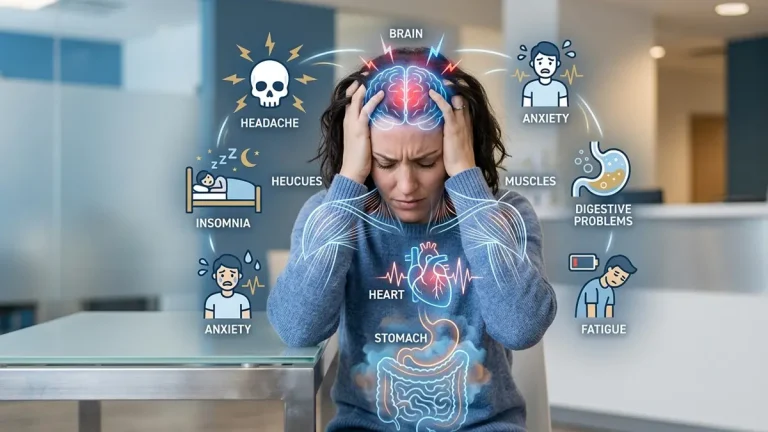
Moreover, the physical condition of such patients is also affected by PTSD. The constant stress connected with PTSD results in many different physical disorders, including headaches, digestive problems, cardiovascular diseases, fatigue, and lowered resistance to infections.
In the worst-case scenario, untreated PTSD can cause self-harm, suicidal ideation, unemployment, and decreased quality of life. Treatments for PTSD are important to answer the question, “Does post-traumatic stress disorder ever go away?”
Does post-traumatic stress disorder ever go away: Treatments
PTSD is a treatable disorder, and there are numerous cases of significant progress under appropriate treatment.
Psychotherapy
Psychotherapy is regarded as one of the most efficient types of therapy. Trauma-focused Cognitive Behavioral Therapy (CBT) is useful for helping individuals identify and work on harmful thoughts. Through exposure therapy, the patient gets the opportunity to face trauma-associated memories in a controlled and safe environment and lessen their emotional impact.
One of the well-known forms of therapy is Eye Movement Desensitization and Reprocessing (EMDR). With this type of therapy, individuals get the chance to process trauma memories while performing certain eye movements or other kinds of bilateral stimulation.
Medications
Certain kinds of antidepressants can be prescribed to address symptoms such as anxiety, depression, sleep disorders, and intrusive thoughts. In many cases, medications are most helpful if used in combination with psychotherapy.
Lifestyle and Support Methods
Even physical activity can help with symptoms. Physical activity, a sufficient amount of sleep, stress-reducing practices, mindfulness exercises, and strong social support can supplement professional therapy. Group therapy can also be beneficial for individuals to overcome isolation.
Early Treatment
Asking for professional assistance soon after the incident occurred can minimize the severity of symptoms.
Note: This article is purely for educational and guidance purposes. It must not replace professional medical consultations.
FAQs
Yes. Even vague memories are enough to cause post-traumatic stress disorder, even years after the incident. It could be because of childhood trauma.
Yes, children are also likely to develop PTSD from childhood trauma, abuse, natural disasters, serious illness, or loss of a loved one.
Many survivors recall long-term recovery or improvements until it doesn’t interfere with routine life. It doesn’t have to last forever, even if it has no definite cure or if memories can’t be erased. Trauma and other events can’t be undone, but symptoms of the disorder can be managed.
A flare-up is commonly known as a rebound symptomatic episode after a period of managed, recovered, or controlled PTSD.
Complex post-traumatic stress disorder is a disorder that develops from long-term exposure to or chronic trauma. Instances include childhood trauma, long-term domestic violence, or isolation/abduction—where the person is trapped with the trauma.