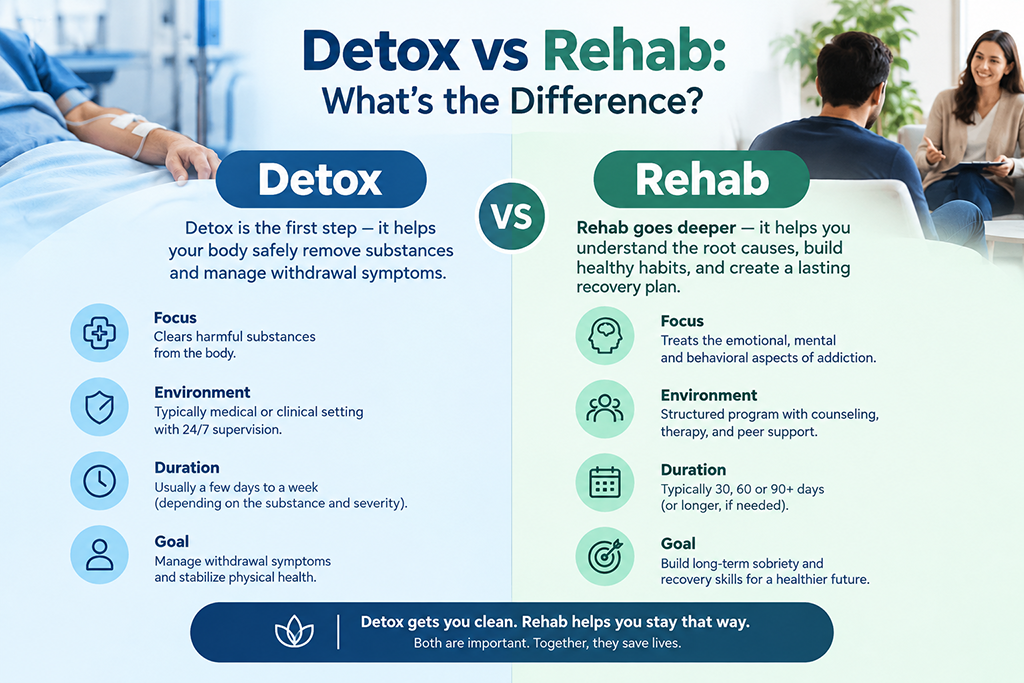


A person goes through detox when he has stopped drinking alcohol after a long time and is trying to let alcohol leave his system. Rehab is the behavioral and physiological treatment of symptoms of alcohol addiction using therapy within a rehab center.
When a person consistently drinks alcohol for a longer period of time, the nervous system adapts itself to the presence of a depressant. This causes several detox and withdrawal symptoms, which make it difficult to cope with. There is a possibility that the victim might go back to their alcohol dependence. This highlights the importance of both detox vs rehab.
What is detox?
Detoxification, commonly known as alcohol withdrawal detox, is the process of allowing the body to eliminate harmful substances while managing the physical and psychological effects that occur when a person stops using alcohol, drugs, or other addictive substances. In practice, detox is considered the first stage of addiction treatment rather than a complete treatment by itself. One is an initial process, while the other is a mandatory final treatment in detox vs rehab.
The primary goal is to stabilize the individual, minimize withdrawal symptoms, and prepare them for further rehabilitation and recovery interventions. This highlights the major difference between detox and rehab.
The human body naturally detoxifies through organs such as the liver, kidneys, lungs, and digestive system. However, individuals who have developed substance dependence may experience withdrawal symptoms when use is reduced or stopped.
Medications used across alcohol detox treatments are sleep aids, mood stabilizers, anti-nausea medications, antidepressants, anticonvulsants, and benzodiazepines.
What are the symptoms of detox?
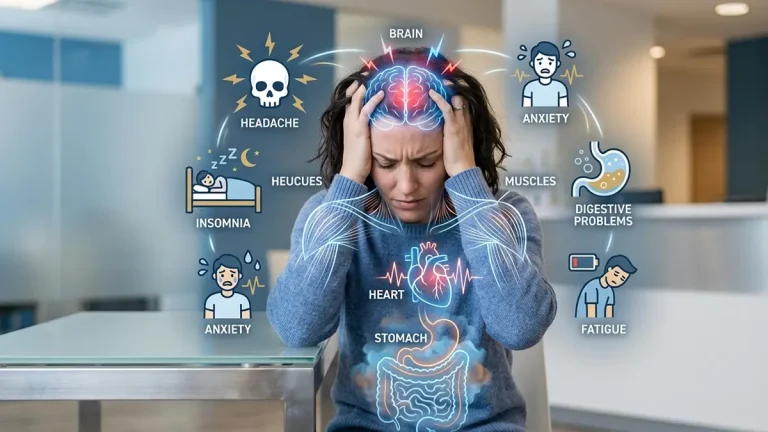
Detox symptoms vary according to the substance used, duration of use, frequency of consumption, overall health status, and individual biological factors. Symptoms can be physical, psychological, or behavioral.
Physical Symptoms
- Headaches and body aches
- Excessive sweating
- Tremors or shaking
- Nausea and vomiting
- Diarrhea or stomach cramps
- Increased heart rate
- Elevated blood pressure
- Fatigue and weakness
- Changes in appetite
- Sleep disturbances and insomnia
- Psychological Symptoms
Emotional and mental health symptoms
- Anxiety and nervousness
- Irritability and mood swings
- Depression
- Restlessness
- Difficulty concentrating
- Intense cravings for the substance
- Emotional instability
- Severe Withdrawal Symptoms
In some cases, particularly with alcohol, benzodiazepines, or certain drugs, withdrawal can become medically dangerous. Severe symptoms may include:
- Hallucinations
- Delirium
- Seizures
- confusion
- Panic attacks
- Extreme agitation
- Suicidal thoughts
Alcohol withdrawal detox programs and treatments
How much help a person needs depends on how bad the addiction is and how likely there are problems. One major difference between detox vs rehab is that one could do without detox, but can’t leave rehab behind as it can be dangerous.
Medical Detox
Medical detox is conducted in hospitals, special detox centers, or rehab centers. Doctors monitor signs and provide medications when required. This is best for people with addictions, a history of withdrawal, or other mental health issues.
Inpatient Detox
Inpatient programs provide help and support all day and night in a designated room or center. Constant monitoring makes it safer and lets doctors react fast if there is a problem or strong withdrawal.
Outpatient Detox
This might work for people with withdrawal who require a home and family support. It helps people continue their daily activities while attending appointments and treatments according to schedule.
Medication-Assisted Treatment (MAT)
Medication-assisted treatment combines medication with therapy and advice. MAT is often used when someone is addicted to opioids or alcohol.
Supportive Care
- Hydration therapy
- Nutrition help
- Sleep support
- Counseling for the mind
- Ways to reduce stress
- Help from family and education for them
These things make the person feel better and help them do better in treatment.
Alcohol withdrawal detox timeline
The time it takes to detox changes based on the drug, how bad the addiction is, how the body works, and the person’s health. There is a major difference between the timelines of detox vs rehab.
First 6 to 24 Hours
Withdrawal signs usually start showing during this time. Early signs can be feeling nervous, getting upset easily, wanting the drug, sweating, not being able to sit, feeling sick, and having trouble sleeping.
Days 1 to 3
Symptoms usually get worse. Body pain, mood swings, shaking, fast heart rate, and strong urges are common. Some people need medicine and careful monitoring by doctors.
Days 4 to 7
Many physical signs show improvement. Sleep and eating might go back to normal, but tiredness and feelings that change a lot can still happen.
Weeks 2 to 4
The strong withdrawal signs get much better. People might still feel mood changes, worry, trouble focusing, and sometimes want the drug again.
Beyond One Month
Some people develop post-acute withdrawal symptoms (PAWS) characterized by emotional distress, sleep problems, irritability, and cravings. Ongoing therapy, rehabilitation, and relapse prevention strategies are critical during this stage.
In practice, successful detoxification is viewed as the foundation for long-term recovery. While detox addresses immediate physical dependence, lasting recovery typically requires treatment that includes counseling, behavioral therapies, mental health support, lifestyle changes, and ongoing relapse prevention planning. This summarizes a huge difference between detox and rehab.
What is withdrawal?
It is a well-known fact that alcohol and other substances impair brain function and alter the neuron connections. Because of this tolerance, suddenly stopping consumption disrupts the nervous system. The resulting withdrawal symptoms can be mild to severely dangerous and even fatal.
Withdrawal can go on for weeks and starts within 8 hours after the last drink.
- Anxiety
- Nervousness and restlessness
- Depression
- Fatigue
- Mood swings
- Confusion
- Sweating
- Headaches
- Rapid heart rate
- Nausea
- Sleep changes
Read More: Myths About Detox vs Rehab
What is rehab?
Rehabilitation, also known as rehab, is a carefully planned intervention aimed at helping people recovering from substance use disorders, alcohol dependence, and behavioral addictions.
Let’s look at the contrast that detox vs rehab creates. While detox deals with the process of removing substances from one’s body and coping with withdrawal, rehabilitation deals with the issues related to a person’s psychology, emotions, behavior, and social aspects that can trigger addiction. The purpose of rehabilitation is to help people recover and to learn how to avoid future relapses through coping strategies.
A Typical Rehab Timeline
Studying this timeline is important to analyze the difference between the timelines of detox vs rehab.
Week 1: Evaluation and Stabilization
The process starts with the patient evaluation. Their medical history, the severity of the addiction, the state of their mental health, and the treatment objectives are evaluated. Patients are introduced to the rehabilitation process and receive personalized treatment programs.
Weeks 2-4: Intensive Treatment Period
At this stage, patients attend individual counseling sessions, group therapy sessions, psychoeducation classes, and behavioral therapy. Various evidence-based practices, including CBT, MI, and relapse prevention training, are applied. Patients begin to recognize their triggers and cravings.
Months 1-3: Skill Building and Recovery Development
Individuals acquire stress management techniques, emotional regulation, communication skills, and coping mechanisms. Family therapy can be utilized to enhance relationships and support systems. Planning for recovery is an integral part of this stage.
Months 3-6: Maintenance and Reintegration
Most patients move on to outpatient therapy, sober housing, or counseling. They practice recovery skills while going back to work or studying and performing other obligations. Therapy sessions become routine to build upon achievements and cope with difficulties.
After 6 Months: Long-Term Aftercare Recovery
Patients may participate in support group meetings, peer recovery groups, individual counseling, or even medication-assisted therapy. Long-term aftercare greatly diminishes risks of relapse and helps individuals remain in recovery.
Rehabilitation involves more than just stopping the consumption of substances. It is a complex medical procedure through which individuals regain their health, psychological stability, relationships, and life skills. Depending on an individual case, rehabilitation can take place within a few weeks or for several months, with aftercare being an essential component of lifelong recovery.
What is the difference between detox and rehab?
Detox vs rehab are two entirely different medical terms, although linked to the same process. Detox is the “flushing” or natural, slow elimination of the substance or alcohol from your body. Detox vs Rehab is what comes after—the therapeutic process of “healing” the mind, emotions, and body. Detox is only included in the initial process of withdrawal or recovery, and the timelines of detox vs rehab are increasingly contrasting.
When a patient goes through alcohol withdrawal detox, withdrawal symptoms persist, and the person still requires rehab. Detox has nothing to do with therapy, coping, symptom management, or whatever comes after. Let’s look at the detox vs rehab differences clearly.
| Detox | Rehab |
| Clinical monitoring to reduce medical complications and withdrawal risks | A medical team manages and treats psychological and behavioral symptoms |
| Consists of assessment, safe removal of alcohol, and addiction treatment | Therapy and counselling for recovery and emotional management |
| The initial process lasts a few days to weeks. | Long-term recovery support after detox can last weeks to months |
| Medical stabilization and medications for body cleanse | Relapse prevention, emotional regulation, lifestyle management, and coping skills |
| Treats physical dependence but not the addiction itself | Treats the addiction disorder and mental health problems |
Note: This article is primarily about alcohol detox vs rehab.
FAQs
- Inpatient residential rehab: patients shift to a rehabilitation facility for full-time monitoring and supervision.
- Partial hospitalization programs: Also called day treatment, which avoids treatment during the night.
- Intensive outpatient programs: Flexible settings where patients attend scheduled therapy sessions during the week while continuing their day-to-day commitments normally.
- Standard outpatient rehab: Less intense and focuses on relapse prevention and long-term wellness.
- Other types include sobriety houses and dual recovery labs
No, detox strictly requires rehab after the initial process for long-term treatment, recovery, and correction of underlying symptoms or conditions.
Alcohol detox can last a week to 10 days, sometimes even 72 hours, while alcohol rehab ranges from 28 to 90 days for inpatient programs, and outpatient programs can last months up to a year.
Detox is for those who suffer from physical alcohol dependence. Note that although rehab is compulsory, you can’t skip detox either if you are physically dependent on alcohol.
- Heavy drinkers
- History of withdrawal
- High-risk medical profile
Rehab is for those whose life is disrupted by alcohol, who are psychologically dependent, or who are compulsive drinkers.
- Frequent relapses
- Craving and compulsion
- Difficulty functioning
- Uses alcohol as a coping mechanism
- Binge drinkers with severe behavioral patterns