

Stress has become a normal part of modern life. Whether it is worrying about household bills, dealing with workplace pressures, managing family responsibilities, facing health concerns, or coping with everyday uncertainties, most people experience stress at some point. In the UK, millions of adults report feeling stressed regularly, and while a small amount of stress can sometimes help us stay motivated and focused, ongoing or excessive stress can have a significant impact on both physical and mental health.
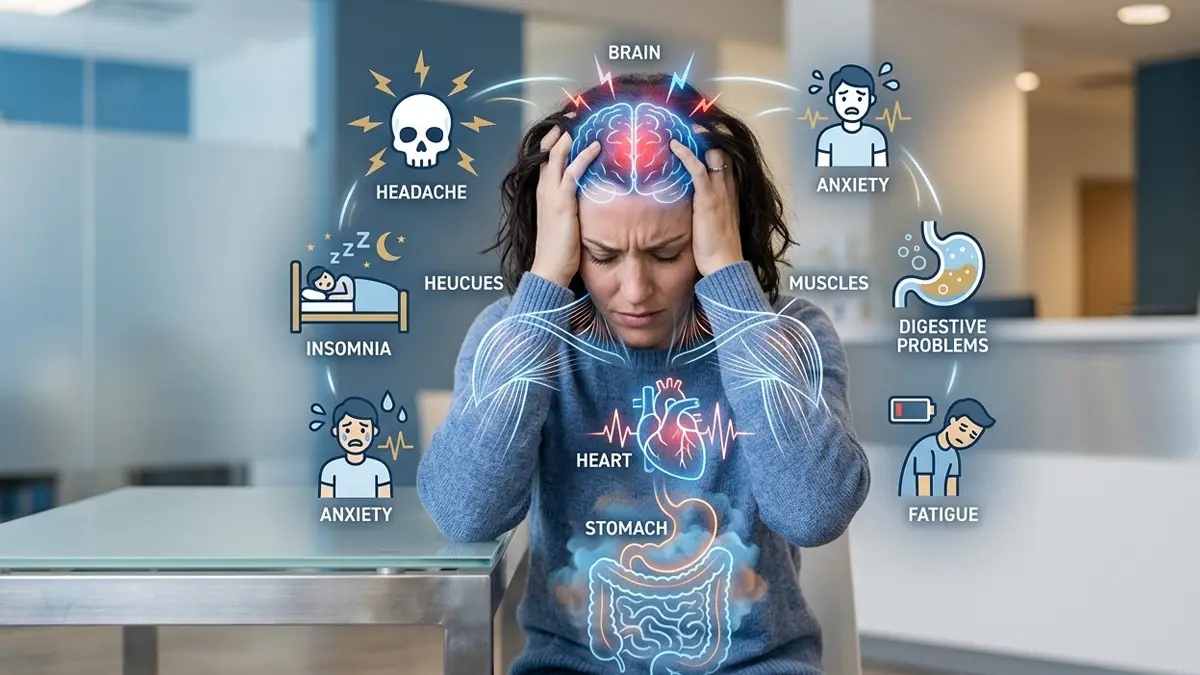
Many people think of stress as an emotional issue, but its effects go far beyond feelings of worry or anxiety. Stress can influence nearly every system in the body, including the brain, heart, immune system, digestive system, muscles, and even the skin. Over time, chronic stress may contribute to serious health problems and reduce overall quality of life.
Understanding how stress affects the body is an important step towards recognising its symptoms and taking action before it begins to affect long-term health.
What Is Stress?
Stress is the body’s natural response to situations that feel challenging, demanding, or threatening. When you encounter a stressful situation, your brain sends signals that trigger the release of hormones, including adrenaline and cortisol. These hormones prepare the body to respond quickly, a reaction often referred to as the “fight-or-flight” response.
Thousands of years ago, this response helped humans survive dangerous situations. Today, however, stress is more likely to be triggered by modern challenges such as financial pressures, work deadlines, relationship difficulties, or health concerns.
While short-term stress can be useful in certain situations, problems can arise when stress becomes constant. The body is not designed to remain in a heightened state of alertness for long periods, and this ongoing activation can affect physical and mental wellbeing.
How the Stress Response Works
When stress occurs, the brain’s hypothalamus activates the body’s stress system. This leads to the release of adrenaline and cortisol.
Adrenaline causes:
- Faster heart rate
- Increased blood pressure
- Rapid breathing
- Greater alertness
- Increased energy supply to muscles
Cortisol helps by:
- Regulating energy use
- Increasing blood sugar levels
- Suppressing non-essential functions temporarily
- Helping the body cope with perceived threats
These changes are useful during short-term challenges. However, when cortisol levels remain elevated for weeks, months, or even years, they can begin to harm the body.
The Impact of Stress on the Brain
The brain is often one of the first areas affected by stress.
Many people notice changes in concentration, memory, and decision-making when they feel stressed. It can become harder to focus on tasks, remember important information, or think clearly. Even simple daily responsibilities may begin to feel overwhelming.
Long-term stress can affect areas of the brain responsible for learning, memory, and emotional regulation. It may increase the risk of developing anxiety disorders, depression, and other mental health conditions.
People experiencing chronic stress often report:
- Constant worry
- Racing thoughts
- Difficulty concentrating
- Feeling overwhelmed
- Irritability
- Mood swings
- Reduced motivation
Sleep disturbances caused by stress can further worsen brain function, creating a cycle that becomes increasingly difficult to break.
Stress and Mental Health
Mental health and stress are closely connected.
While stress itself is not considered a mental illness, prolonged stress can increase the likelihood of developing mental health conditions. Constant pressure can leave people feeling emotionally exhausted and unable to cope with daily challenges.
Many individuals experience:
- Anxiety
- Panic attacks
- Depression
- Burnout
- Emotional numbness
- Reduced self-confidence
In the UK, mental health concerns linked to stress have become increasingly common, particularly among working-age adults and young people.
People who experience ongoing stress may withdraw from social activities, lose interest in hobbies, and struggle to maintain relationships. Seeking support early can help prevent symptoms from becoming more severe.
How Stress Affects the Heart
The cardiovascular system responds immediately when stress occurs.
Stress hormones increase heart rate and blood pressure, helping the body prepare for action. While this response is beneficial in short-term situations, repeated activation can place extra strain on the heart and blood vessels.
Over time, chronic stress may contribute to:
- High blood pressure
- Increased heart disease risk
- Irregular heart rhythms
- Higher risk of heart attack
- Increased stroke risk
Research suggests that people living with prolonged stress may be more likely to develop unhealthy habits such as smoking, excessive alcohol consumption, poor dietary choices, and physical inactivity, which can further increase cardiovascular risks.
Some individuals also experience stress-related chest pain or heart palpitations, which can feel frightening and may require medical assessment.
The Effects of Stress on Blood Pressure
Stress can cause temporary spikes in blood pressure.
Although these increases are often short-lived, frequent stress responses may contribute to long-term cardiovascular strain. When combined with other risk factors such as obesity, smoking, or a sedentary lifestyle, chronic stress may play a role in the development of hypertension.
Maintaining healthy coping strategies can help reduce stress-related pressure on the cardiovascular system.
Stress and the Immune System
The immune system helps protect the body against infections and illness. However, chronic stress can weaken immune function.
Initially, short-term stress may stimulate certain immune responses. However, ongoing stress tends to suppress immunity, making it harder for the body to defend itself effectively.
People experiencing long-term stress may notice:
- Frequent colds
- Longer recovery times
- Increased susceptibility to infections
- More frequent illnesses
- Worsening of existing health conditions
Stress may also contribute to increased inflammation within the body, which has been linked to numerous chronic diseases.
This weakened immune response can be particularly problematic during winter months when respiratory infections become more common across the UK.
How Stress Affects the Digestive System
The digestive system is highly sensitive to stress. Many people notice stomach discomfort before a job interview, exam, or important event. This occurs because the brain and digestive tract communicate closely through what is often called the gut-brain connection.
Stress can affect digestion in several ways, including:
- Stomach pain
- Nausea
- Diarrhoea
- Constipation
- Bloating
- Acid reflux
- Changes in appetite
Some individuals lose their appetite during stressful periods, while others find themselves eating more than usual, particularly comfort foods high in sugar, salt, and fat.
Long-term stress may worsen existing digestive conditions such as:
- Irritable Bowel Syndrome (IBS)
- Inflammatory bowel conditions
- Gastro-oesophageal reflux disease (GORD)
Many healthcare professionals recognise stress management as an important part of digestive health.
Stress and Weight Changes
Weight gain and weight loss can both occur as a result of stress. When cortisol levels remain elevated, the body may store more fat, particularly around the abdomen. Stress can also increase cravings for high-calorie foods.
Common reasons for stress-related weight gain include:
- Emotional eating
- Reduced physical activity
- Hormonal changes
- Poor sleep quality
On the other hand, some individuals lose weight because stress suppresses appetite or causes digestive discomfort.
Maintaining balanced eating habits during stressful periods can be challenging but is important for overall health.
How Stress Impacts Sleep
Sleep and stress have a complex relationship. Stress often makes it difficult to fall asleep or stay asleep. Many people find themselves lying awake worrying about work, finances, family issues, or future events.
Poor sleep can lead to:
- Daytime fatigue
- Reduced concentration
- Mood changes
- Lower productivity
- Increased irritability
Unfortunately, lack of sleep can also increase stress levels, creating a cycle that becomes difficult to escape.
Chronic sleep disruption may contribute to various health conditions, including obesity, diabetes, cardiovascular disease, and mental health disorders.
The Effects of Stress on Muscles and Joints
Stress causes muscles to tense as part of the body’s protective response. This tension may be temporary during short-term stress but can become persistent when stress continues for extended periods.
Common symptoms include:
- Neck pain
- Shoulder tension
- Back pain
- Jaw clenching
- Tension headaches
- Muscle aches
Many people are unaware that their physical discomfort may be linked to emotional stress. Persistent muscle tension can affect posture, mobility, and daily comfort, leading to further frustration and stress.
Stress and Chronic Pain
People living with chronic pain conditions often find that stress worsens their symptoms.
Conditions frequently affected by stress include:
- Fibromyalgia
- Arthritis
- Migraine
- Tension headaches
- Lower back pain
Stress can increase sensitivity to pain and reduce the body’s ability to manage discomfort effectively. Addressing stress alongside medical treatment may help improve symptom control and quality of life.
How Stress Affects Breathing
When stress occurs, breathing often becomes faster and shallower. This change is part of the body’s emergency response system. However, prolonged stress can contribute to breathing difficulties and feelings of breathlessness.
Some people experience:
- Rapid breathing
- Hyperventilation
- Tightness in the chest
- Shortness of breath
Individuals with asthma or other respiratory conditions may notice that stress triggers or worsens symptoms. Learning breathing techniques can often help calm the body’s stress response and improve comfort.
Stress and Hormonal Balance
Stress affects multiple hormones throughout the body.
Elevated cortisol levels can influence:
- Blood sugar regulation
- Reproductive hormones
- Thyroid function
- Appetite control
These hormonal changes may contribute to fatigue, weight fluctuations, mood changes, and other health concerns.
Women may experience changes in menstrual cycles, while men may notice reduced testosterone levels during periods of chronic stress.
The Effects of Stress on Reproductive Health
Stress can influence reproductive health in both men and women.
In women, stress may contribute to:
- Irregular periods
- Increased menstrual symptoms
- Reduced fertility
- Changes in libido
In men, chronic stress may affect:
- Testosterone production
- Sperm quality
- Sexual desire
- Erectile function
While occasional stress is unlikely to cause major issues, long-term stress can interfere with reproductive wellbeing.
Stress and Skin Health
The skin often reflects what is happening inside the body. Many people notice skin flare-ups during stressful periods. Stress can increase inflammation and affect the skin’s natural barrier function.
Potential effects include:
- Acne breakouts
- Eczema flare-ups
- Psoriasis worsening
- Dry skin
- Increased sensitivity
- Slow wound healing
Stress-related skin changes can sometimes affect confidence and emotional wellbeing, creating another layer of stress.
Hair Loss and Stress
Hair health may also be affected by prolonged stress. Some individuals experience increased hair shedding following significant life events such as bereavement, illness, job loss, or major personal changes.
Stress-related hair loss is often temporary, but recovery may take several months. Maintaining good nutrition, adequate sleep, and effective stress management can support healthy hair growth.
How Stress Influences Behaviour
Stress affects not only physical health but also behaviour.
People may respond to stress in different ways, including:
- Smoking more frequently
- Drinking excess alcohol
- Overeating
- Undereating
- Avoiding social interactions
- Reduced physical activity
- Increased screen time
These behaviours may provide temporary relief but can contribute to long-term health problems. Recognising these patterns is an important step towards making healthier choices.
Signs That Stress May Be Affecting Your Health
Stress can present differently in each person, but common warning signs include:
- Persistent fatigue
- Frequent headaches
- Digestive issues
- Difficulty sleeping
- Irritability
- Anxiety
- Muscle tension
- Reduced concentration
- Increased illness frequency
- Changes in appetite
- Low mood
If these symptoms continue for several weeks or begin interfering with daily life, seeking professional advice may be beneficial.
Managing Stress Effectively
Although stress cannot always be avoided, there are many ways to reduce its impact on the body.
Helpful strategies include:
- Regular physical activity
- Healthy eating habits
- Consistent sleep routines
- Relaxation techniques
- Mindfulness practices
- Spending time outdoors
- Social support
- Limiting alcohol consumption
- Reducing caffeine intake
- Seeking professional help when needed
Small daily habits can make a significant difference over time.
When to Seek Professional Support
Everyone experiences stress differently. While occasional stress is normal, professional support may be helpful if stress becomes overwhelming or persistent.
Consider speaking with a healthcare professional if stress is causing:
- Severe anxiety
- Ongoing sleep problems
- Depression symptoms
- Relationship difficulties
- Work-related challenges
- Physical symptoms that do not improve
Support is available through NHS services, mental health charities, counsellors, psychologists, and other healthcare professionals across the UK.
Conclusion
Stress is much more than a feeling of pressure or worry. It affects nearly every part of the body, from the brain and heart to the digestive system, muscles, skin, and immune system. While short-term stress can be a normal and useful response, chronic stress can gradually impact physical and mental health in significant ways.
Understanding the signs of stress and recognising its effects on the body can help individuals take action before problems become more serious. By prioritising healthy habits, building strong support networks, and seeking help when needed, it is possible to reduce the impact of stress and protect long-term wellbeing.
Managing stress is not about eliminating challenges from life. Instead, it is about developing healthy ways to respond to those challenges so that both mind and body can remain resilient, balanced, and healthy.
Read Also