

The gut is a term used to describe the gastrointestinal tract. In it lives a community of bacteria, viruses, and fungi. Like most such organisms, these microbes have a symbiotic relationship with the body they are living in. It is a muscular tube that starts from the mouth and goes all the way down to the rectum. It contains the oesophagus, intestines, liver, pancreas, stomach, etc. The microbiome is also a hidden organ within this tract, and its role is extremely important.
What do the Gut Bacteria do?
Did you know that bacteria isn’t always bad? Gut bacteria help you break down complex nutrients like fibre and protein. They are a very important topic if you want to know how to improve gut health.
Around 100 trillion microbes flourish in your gut. 99% of your entire digestive system is full of gut microbes. A diverse gut microbiome means that you are safe from diseases. These diseases include hypertension, type 2 diabetes, and even cardiac arrest. The gut bacteria control how energy is used and how fat is stored.
The gut bacteria, or microbiome, is also called the garden of nutrients and health. How you treat and tend to this garden reflects how the garden forms and grows. Studies have shown that a diverse species of gut bacteria is stronger in fighting diseases. Diet and medication are important factors in this gut bacteria diversity.
It also controls your blood and sugar levels. Gut bacteria are connected to the brain’s nervous system through the ‘gut-brain axis’ and influence your mood as well. This means they practically talk to your nervous system and can affect emotions through this connection. This raises the subject– how to improve gut health?
Why is Gut Health Important?
The gut regulates all aspects of digestion, prevents diseases, plays a major role in the immune system, improves mood, and a whole lot more. Recently, gut health has also been associated with mental health and obesity. Good gut health helps you in:
- Preventing infections and inflammatory diseases like arthritis
- Regulating blood sugar and preventing diabetes
- Absorbing nutrients, digesting food, releasing energy, and overall digestive health
- Reducing stress and preventing cardiovascular diseases caused by the release of TMAO (Trimethylamine N-oxide).
How to Improve Gut Health Naturally
How do you know whether your gut health is bad or good? Common symptoms include bloating, diarrhoea, reduced appetite, stomach pain, constipation, vomiting, skin issues like acne, and weight loss. Here are some natural tips on how to improve gut health.
1. Add probiotics to your diet
These are called the good bacteria because they balance the bacteria already living within your gut. This is because such foods, like yoghurt, are fermented using bacteria.
Probiotic foods are yoghurt, cottage cheese, miso soup, and kimchi. These bacteria, like Lactobacillus, are also beneficial in preventing certain infections, acne, gum problems, and cavities. Probiotics are the best diet tip for ‘how to improve gut health.’
2. Add Prebiotics to your food intake
Now, prebiotics play a role by helping the existing bacteria grow instead of adding to them. Prebiotics help the bacteria flourish by staying within the system instead of being digested. Gut bacteria love fibre, so they are going to enjoy these foods. Such good bacteria are also known to heal anxiety and depression. If you frequently boat or have a lower fibre intake, consider eating these foods for prebiotic consumption:
- Garlic and onions
- barley
- oats
- Leeks
- Cocoa
- Flaxseeds
- Seaweed
- avocado
- fibre-rich vegetables
- bananas
- whole grains
- asparagus
- Soybeans
Probiotics and prebiotics are also available in gut health supplements for women and men.
3. Drink more water
When it comes to gut and digestion, water is an all-rounder way to improve gut health. It helps digest food and absorb nutrients–absorbing nutrients is just as, if not more, important as nutrient intake. What is the point of having a nutrient-rich diet but not being able to absorb them? Water makes food easier to pass through the intestines. It maintains the protective lining of the gut, which is made of mucus.
4. Exercise More
Exercise makes your gut and mind happy by releasing happy hormones and making digestion easier. It enhances the microbial diversity of your gut bacteria, and movement supports the pathway for food. Exercise promotes a stronger gut barrier lining, which prevents bacteria from reaching the bloodstream.
Exercise gets your heart pumping for healthy blood circulation. This helps with waste removal and delivers oxygen and nutrients. Exercise doesn’t only make you look muscular but also tones the muscles in your digestive organs. This improves the functionality of the gut system.
5. Diet affects gut health in multiple ways
- Cut down on sugar and processed foods, and eat simple foods like leafy green vegetables. Get rid of inflammatory foods like refined carbs and processed meats.
- Eat fibre-rich foods to improve gut health. These foods include whole wheat, oats, fruits and beans.
- Fatty foods like fried foods and unhealthy takeaway are harder to digest. Refrain from acidic foods like carbonated drinks and oily and spicy food that can cause heartburn.
- Go for lean protein like lightly cooked fish or meat, instead of red meat or overly fried meat. Eating lean protein can help to improve gut health.
- Polyphenol foods like berries, green tea, olive oil and dark chocolate are beneficial for gut health.
- Omega-3 fatty acids support healthy bacteria, a robust intestinal barrier, and reduce inflammation. Think oily fish like salmon and sardines, chia seeds and walnuts for this nutrient.
Check out some gut-friendly recipes that are super easy to make!
6. Get sleep and release stress
Not getting enough sleep can harm the body’s circadian rhythm or internal clock. The balance of gut bacteria diversity is disturbed when this clock is disrupted. Digestion is generally slow during sleep, so both processes together can cause dysbiosis over time. Dysbiosis is an imbalance in gut microbes. This can be characterised by a reduction in healthy bacteria, growth of harmful bacteria or reduced microbial diversity.
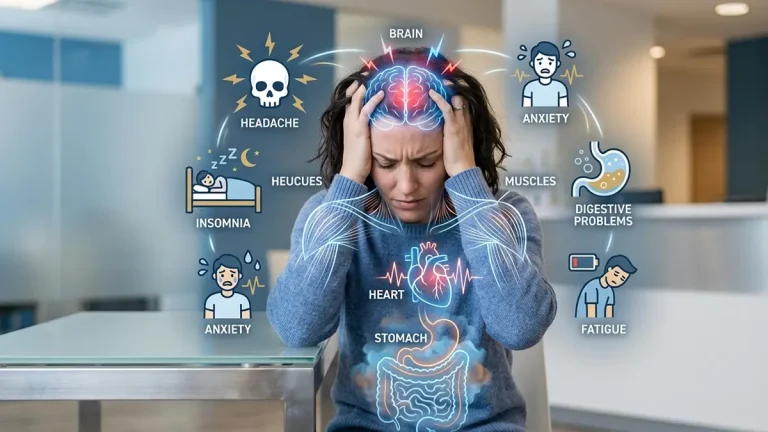
Stress affects gut health by acting as a distraction. The brain and gut are connected through the brain-gut axis. The anxiety will drive your brain into fight-or-flight mode. In this moment, the body/ brain is distracted and less focused on vital processes like digestion. The growth of gut bacteria is also reduced because of stress, resulting in inflammation. Some ways to improve gut health and relieve stress include mindfulness, short walks, and hot baths.
Illness Linked to Gut Bacteria
A compromised gut lining, poor eating habits, and a disrupted balance of gut bacteria cause gut diseases such as inflammation. Certain illnesses linked to gut health make it important to read about ‘how to improve gut health.’
Inflammatory Bowel
Dysbiosis is characterised by an increase in inflammatory bacteria and a decrease in the ‘good’ bacteria. Not just inflammation in the stomach, but dysbiosis is also the cause of other inflammation-related diseases. These include asthma, type 2 diabetes, and fatty liver disease.
Symptoms include blood in faeces, cramps, diarrhoea, and fatigue. In inflammatory bowel disease, the immune system is compromised. This disease is characterised by ulcers and inflammation in the stomach.
Heart Disease
Gut bacteria can cause heart disease by releasing TMA or trimethylamine. The microbes digest carnitine in foods like red meat, egg yolk, and high-fat dairy. The TMA gets converted into TMAO (trimethylamine N- oxide), which builds up in the arteries, causing cardiovascular diseases.
Cancer
Oxidative stress can cause cancer inflammation. Gut bacteria disruptions can cause gastrointestinal cancer. Gut bacteria can release toxins that damage DNA and chromosomes. Disturbances in mutation can cause tumours.
Inflammatory Arthritis
Some gut microbes signal to the immune system– they need to know what to attack and what to protect. When these microbes are affected, inflammatory arthritis can be caused. Inflammatory cells can enter the bloodstream from an inflamed gut.
Diabetes type 1
Gut bacteria reduce inflammation that can cause type 1 diabetes. When gut microbes break down fibres, the substances or fatty acids released in turn regulate blood sugar. Without this substance, blood sugar levels are imbalanced. A leaky barrier lets substances and toxins leak into the blood, which disturbs the function of insulin. These bacteria also influence insulin sensitivity levels. Gut bacteria control energy processing and store extra calories in the form of fat, which can turn into diabetes.
Gut Bacteria and Weight Loss
As gut bacteria play a comprehensive role in digestion, it is heavily linked with weight and obesity. Gut bacteria decide how to convert food into energy. It also decides how fat is stored and how appetite is regulated. Obesity also affects gut bacteria and vice versa. Gut bacteria also affect metabolic activities. This glucose storage and insulin resistance are also linked to microbiomes and possibly diabetes.
These microbiomes also send signals whether you are hungry or not. If you feel unsatisfied or have cravings despite eating sufficiently, it can be because of unhealthy gut bacteria. Inflammation, which is regulated by these bacteria, can also cause obesity. Gut-healthy foods are proven to help those on a weight-loss journey. The good bacteria are also linked to those with lower Body Mass Index (BMI) and less fat, especially around the stomach.
Conclusion
Bacteria have long been linked to diseases and bad hygiene– but healthy gut bacteria are vital to the digestive system. The more you read about this hidden organ called ‘gut microbiome’, the more you learn about the power and control it has over most of our physiology. It is linked not only to digestion and immunity, but also weight loss, disease prevention, and even metabolism. This bacterial composition is also called flora and the garden of health. It governs nutrient absorption and prevents inflammation. In short, knowing how to improve gut health promises overall health, happiness, and fitness.
What are the best natural probiotics for gut health?
Natural probiotics are found in fermented foods like yoghurt, tempeh, kefir, kimchi, kombucha and pickles
What gut health supplements can I take?
You can choose from several gut health supplements like Symprove, Optibac and Your BiologyGut+. Each supplement has a unique point of focus, like delivery of live bacteria and digestive health.
How to improve gut health naturally?
Gut health cannot be improved overnight. Natural ways to improve gut health are exercise, sleep, a healthy lifestyle, and nutrients in your diet like fibre and prebiotics.
How can I clean my gut?
There is no detox product you can buy for your gut. The aim is to find the right natural balance by staying hydrated, eating leafy vegetables, getting rid of unhealthy habits, and making it a point to exercise.
Is there a fastest way to improve gut health?
The fastest way to improve gut health is obviously to stop eating fried, unhealthy processed foods. This opens the way for fermented, nutritious, fibre-rich vegetables and fruits to enter the gut flora. Add leafy greens and whole grains to your food intake. Drink plenty of water and adopt mindfulness in your lifestyle.