


The addiction recovery timeline is not as simple as one might picture it. It requires courage and dedication when the human brain is clouded by negative thoughts. One might experience fear, catastrophic thoughts, and denial. The victim may also fear withdrawal and even revealing or sharing their condition with the outside world.
Once a person is prepared to make changes in their life, the addiction recovery timeline may vary from individual to individual. It also depends on the intensity of the addiction, personal motivation, destructive thoughts, and coexisting mental disorders. It might be treated within 90 days, but it depends on the severity of the condition. Also, it is an ongoing process that can also last 2 to 3 years.
The addiction recovery timeline doesn’t end at this. Even after recovery, maintaining what you achieved is essential to avoid relapse. It is essential to build self-motivation and courage rather than being demotivated by such ‘failures’. Acceptance is a huge part of the journey of the addiction recovery timeline. Instead of viewing things as failures, learn to accept them as part of the journey and who you are about to become.
Recovery may require 1 to 3 months, but it can be highly individualized and stretch longer. The factors are highly individual and unique:
- Treatment approach
- Type of addiction and substance
- Mental health of the victim
- Level of addiction and dependence
- Self-motivation and surrounding support
This ambivalence means the addiction recovery timeline is highly nuanced. We can understand these stages as well as phases.
What is the Transtheoretical model?
James Prochaska and Carlo DiClemente formulated the psychological framework of the transtheoretical model, or stages of change, in the late 1970s. These 5 stages are as follows: precontemplation, contemplation, preparation, action, and maintenance. It studies the behavior and process a person goes through during an addiction recovery timeline to overcome addiction and achieve recovery.
Addiction Recovery Timeline: Stages
- Precontemplation
The victim has yet to accept and recognize substance addiction as a problem that needs to be fixed. They still accept it as a part of life and can’t see the consequences or negativity associated with it. The person may deny accepting his condition as a problem and may not be ready to discuss it openly.
- Contemplation
According to this, the person is now fully aware of his or her substance addiction as a problem to himself and everyone around him. At this point in the addiction recovery timeline, he is thinking of making possible changes, but he is not ready to spring into action.
He is contemplating the comforts of addiction against the growing negative weight it has on his life—strained relationships, decreased professional performance, and financial damage. Their recognition of this need for change is set in action in the future instead of the present.
He still acts rather broad-minded towards the impact of his negative actions and consequences. This is why it becomes easier for acquaintances and friends to knock some sense into them and help them explore the realities of their condition. This helps them come to terms and make decisions of their own will.
- Preparation
This is the stage where the addict takes small steps and is prepared to take action within a month. These people are seeking support, communicating openly about their desire to improve their behavior, and picturing the outcome if they adopt a healthier lifestyle and habits. Progress here is greatly linked with the fear of failure. Yet, the small steps of progress remain concrete while moving past the stage of back-and-forth thoughts.
They are proactive about their options and do their research. They learn about treatment centers and treatment plans and read resources. They are committed and certain or assured about their goals. They are actively planning and thinking of methods that would help them cut down or achieve their goals.
They avoid addictive behaviors or triggers that could remind them of their cravings and things they associate with their past addiction habits. The person might be contemplating moving to a new place for a clean life away from everything associated with their addiction or past behavior.
- Action
People at this stage have engaged in measurable action in the past 6 months and require continuing improvement. Addiction recovery is not a one-day process of making positive affirmations. In the action stage, the person is still required to strengthen their commitments.
This stage in the addiction recovery timeline also involves avoiding people or situations that make them think of going back, rewarding significant milestones, and keeping moving forward. It is a period of stress, but it is the kind of stress that is exciting because of new opportunities and transformations.
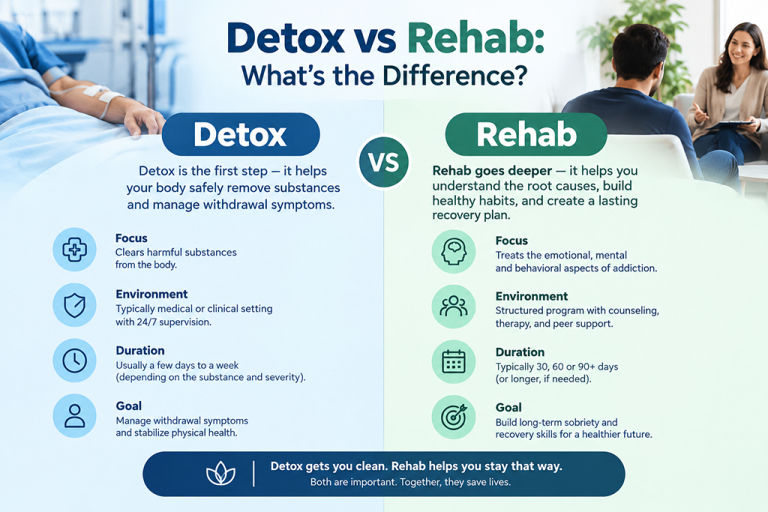
Many people are likely to start this action phase in their treatment, therapy, or detox center. Individuals might turn to professionals, seek surrounding support, and undergo periods of abstinence. Change will be noticeable in multiple forms, yet there is a risk of experiencing relapse triggers. This phase doesn’t come without its emotional and resistance-related troubles.
- Maintenance
People in this stage have made necessary behavioral changes six months ago. It is important for people to not react under stress and keep them from returning to their past addictions and temptations. It is important to keep oneself busy with healthy activities, lifestyles, and habits and surround oneself with supportive and trustworthy people.
It’s important to analyze and be aware of existing triggers like people, objects, or places. One must inculcate coping skills to deal with stress or emotions that could lead to relapse.
It is important to stay connected with and be under the supervised monitoring of a medical professional. Maintaining a good lifestyle can actually help build confidence in the maintenance stage of recovery. It is important not to be too lenient and to continue gaining essential support.
Addiction Recovery Timeline: Phases
- Detox and withdrawal (1 to 15 days)
This is the phase where the substance is eliminated from the body and physical health is monitored. This can be a physically disturbing phase, as withdrawal symptoms will show up within 6 to 24 hours of last use. It can also be long-lasting, up to a few weeks.
- Your body is still adjusting to the new absence of addictive substances and working to eliminate them.
- Physical symptoms like nausea, sweating, trembling, heart palpitations, insomnia, and cravings peak during this phase in the Addiction Recovery Timeline.
- Durations last longer for substances like benzodiazepines and methadone.
- Some other potent substances like alcohol, barbiturates, and benzodiazepines can cause acute symptoms and dangerous seizures in abrupt discontinuation. Therefore, it is advised to control this phase under the supervision of a doctor and taper as advised.
- Early recovery and stabilization (week 2 to month 3)
This is the phase of abstinence to establish physical stability, adopt coping skills and mechanisms, and prevent relapse. This phase in the Addiction Recovery Timeline can continue for 30 to 90 days while the body is still healing, amid bodily fluctuations, vulnerable emotions, and sleep changes.
Physical symptoms might not be as bad as they were in the first phase, but physiological and emotional cravings are still inside your body and brain. This is still newfound chemistry inside your brain. At that point, the addict needs to realize that the symptoms are part of the recovery treatment and not something to be worried about.
- Psychological healing and symptoms (month 3 to 12)
The fluctuations in the brain’s neurochemical processes heal and stabilize. The duration can be 3 months to 1 year, and even 2 years for prolonged and heavy use. Post-acute withdrawal syndrome arises, which causes symptoms like brain fog, mood swings, anxiety, etc.
This is a very crucial period in the addiction recovery timeline for long-term healing and coping mechanism development. Your neurological situation is coming back to normal, which means your quality of life and patterns start to improve.
- Long-term maintenance and relapse prevention (year 1 to 2)
This is the phase marked by sustained sobriety and rebuilding life goals. Healthy neural pathways regain strength, making coping mechanisms natural and less forced.
The main perspective here shifts from crisis management to lifestyle maintenance. Recovery skills are upgraded to a new level, and you return to your normal life. You maintain your progress and improve relationships in life. This is an important part of healing in the Addiction Recovery Timeline and going back to a normal state of sobriety.
Recovery takes the form of an ongoing process, not an emergency. You feel a higher sense of self-esteem, and the positive changes around you are reminders of achievements.
Your brain has largely healed from the impact of addiction. Your quality of life has healed, and you have resumed your normal course of life in the outside world.
James Prochaska and Carlo DiClemente formulated the psychological framework of the transtheoretical model, or stages of change, in the late 1970s. It studies the behavior and process a person goes through during an addiction recovery timeline to overcome addiction and achieve recovery.
Post-acute withdrawal symptoms are physical symptoms that can persist in your body for weeks to months. This happens when you stop using addictive substances like alcohol, benzodiazepines, ETC. PAWS typically appears after detox, while acute withdrawal appears before recovery. The substances associated with it are opioids, alcohol, stimulants, cannabis, benzodiazepines, etc. Common symptoms are
- Sleep issues
- Mood swings
- Fatigue
- Cravings
- Difficulty concentrating
DENTS is a rule followed to help build coping mechanisms.
- Deny: Tell yourself that no matter what it is, the urge will definitely pass.
- Escape: Recognize your trigger and immediately leave the place or end the action of the trigger.
- Neutralize: Look at the urge in a different way. You can prove it wrong or just accept it the way it is and let it pass. This is known as emotional intelligence.
- Tasks: Make yourself busy and distract your brain
- Swap: Change your thoughts from “it is uncontrollable”” to “I know how long it takes to pass on.”
- Alcohol: symptoms start showing in 6 to 10 hours and subside within 5 days.
- Stimulants: symptoms begin within hours to days and subside within 2 weeks.
- Opioids: symptoms show within a few hours to one day and improve within 5 to ten days
- Benzodiazepines: Sudden discontinuation can cause withdrawal. It is safe to introduce gradual tapering under expert supervision.